
Punchbowl’s eminent Mr. X
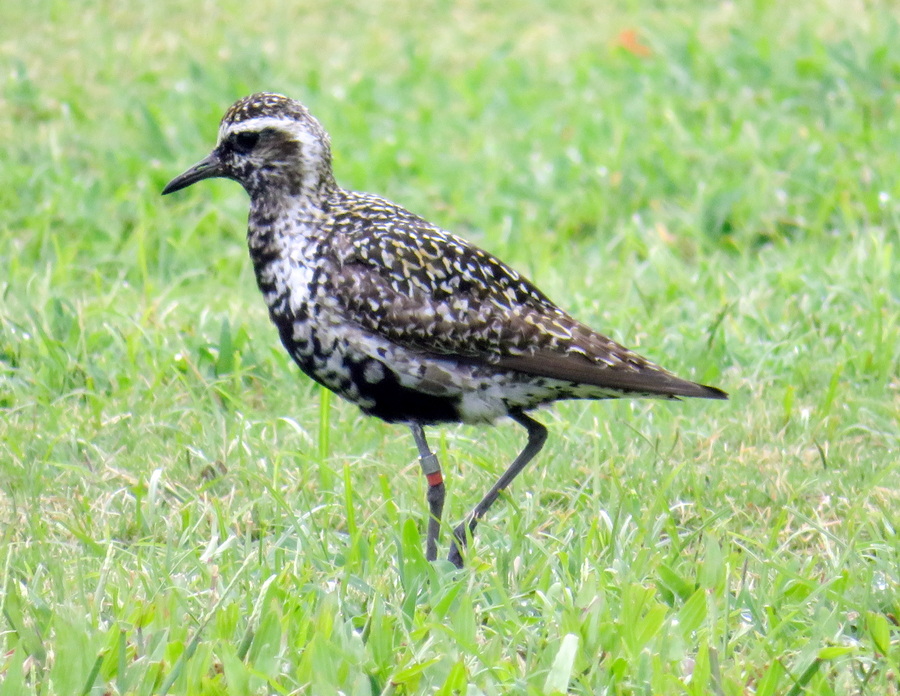 Mr. X lost his upper red leg band since last spring. The bird is active, foraging in his usual territory in Punchbowl. No other birds in the area are banded. August 27, 2021 © Sigrid Southworth
September 9, 2021
We could all use something to cheer about these days. Here’s a good one: Mr. X has returned.
Mr. X is a Kolea banded in Honolulu’s Punchbowl Cemetery on April 12, 2004, making the bird nearing a longevity record for Pacific Golden-Plovers. Longtime plover fan and volunteer counter, Sigrid Southworth, spotted the bird foraging in his long-held territory on August 27th. (Sig named the grand old bird Mr. X, because his territory is in section X of the alphabetically-organized cemetery.) That makes the bird at least 19 years, 4 months old.
The current age record is Mr. Bellows, another male Kolea banded at Bellows Air Force station. That bird lived at least 21 years, 3 months.
For years, plover expert, Wally Johnson has monitored Kolea in the National Memorial Cemetery of the Pacific, often called Punchbowl because it’s located inside Punchbowl Crater, an extinct Oahu volcano. With 116 acres of meticulously mowed grass, and light human traffic, Punchbowl is plover paradise.
When we started Hawaii’s Kolea Count in 2020, Sig joined in, reporting between 70 and 100 Kolea in the cemetery, the count varying with weather conditions and number of people paying their respects. Sig had a joyful moment in March when she spotted, and photographed, a bird with bands on its leg. (See https://www.koleacount.org/hawaiis-birds-hold-their-own-easter-parade/) Wally identified the bird by the three bands of red-aluminum-red that he placed on the bird in Punchbowl when it was at least 1 year and 10 months old.
It’s possible the bird was older. Plover experts can only determine a first-year bird during its first fall and winter in Hawaii, because its wing feathers are then distinct. Come spring, after the birds molt into breeding colors, all wing feathers look alike, making it impossible to know an individual’s age.
Unless, of course, the Kolea is one of the few wearing ID bands.
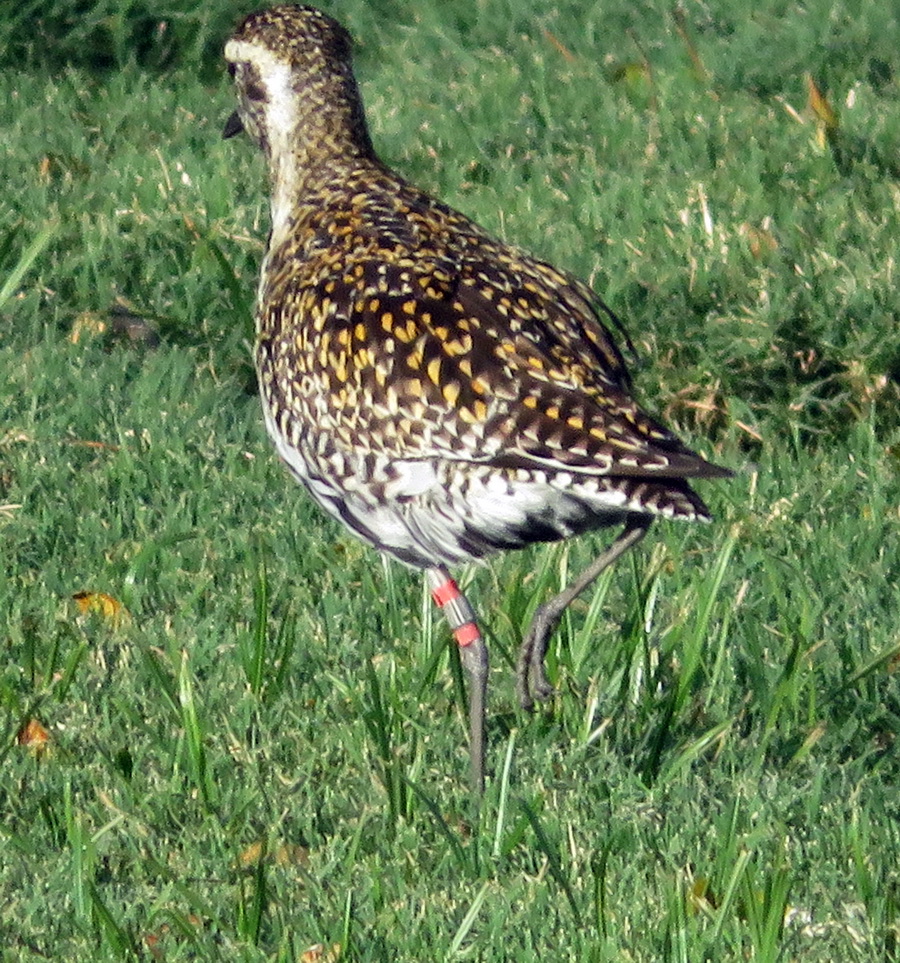 Mr. X in his territory in March, 2021 with all three leg bands. ©Sigrid Southworth.
You might have heard the hooting and hollering from Maine (where Wally is visiting), me (in Kailua), and Sig (in Honolulu) last week, when Sig informed us that she spotted Mr. X in his usual territory on August 27th.
No one knows how many of our Kolea are this long-lived. Only by placing bands on their legs, do we know their age for sure, and even then, there’s guessing involved in any bird other than a first-year hatchling.
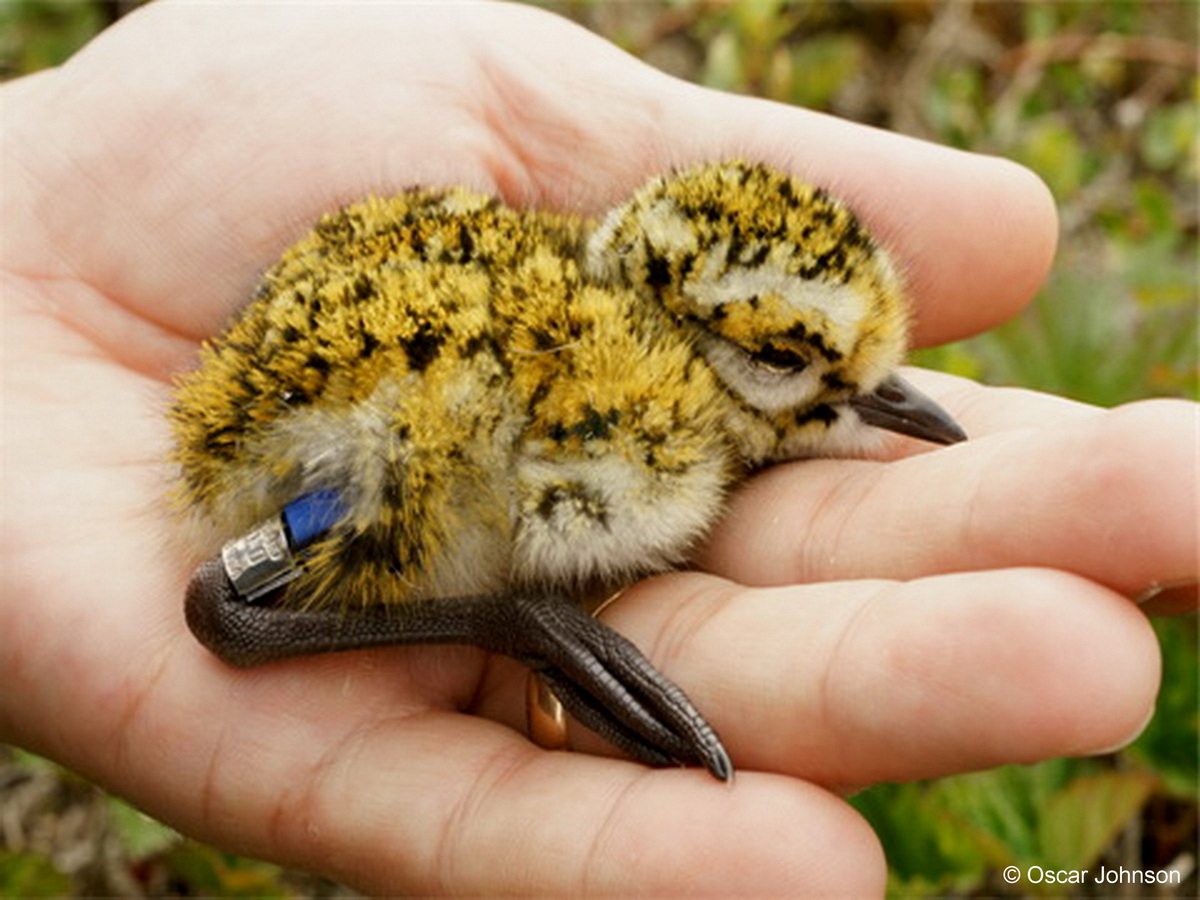 Researchers can place adult-sized leg bands, shown here, on newly hatched Kolea chicks. The youngsters begin foraging for insects and berries soon after hatching. Parents warm and protect their offspring, but do not feed them. Near Nome, Alaska © Oscar Johnson. …


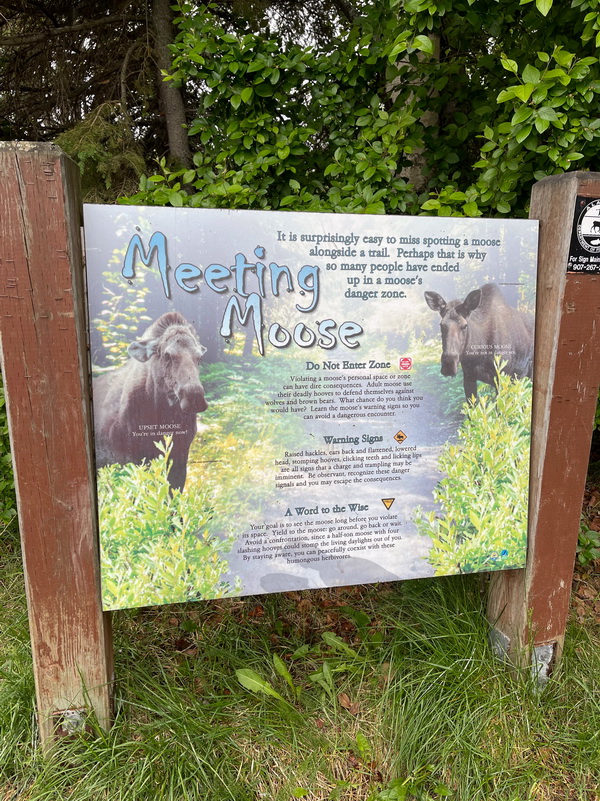 Signs on Anchorage’s Tony Knowles Coastal Trail explain how to behave when confronted by a moose. I thought such an encounter unlikely. I was wrong. ©Susan Scott
 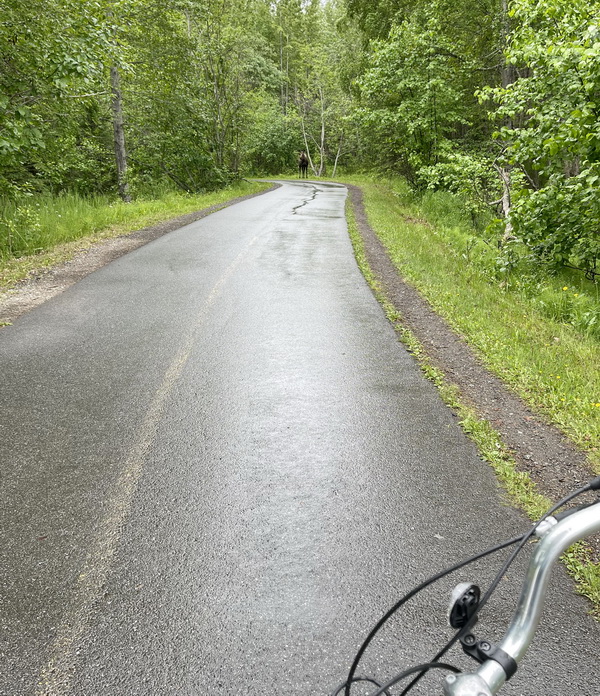 A moose on the trail brought me, on my rented bike, to a screeching halt. ©Susan Scott
 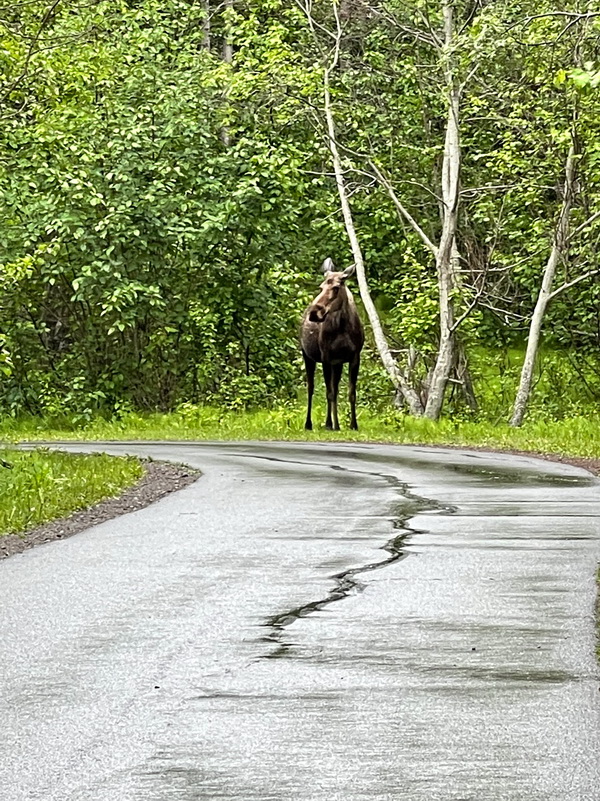 I waited until the moose lost interest in me and ambled off into the woods that border urban Anchorage. ©Susan Scott
 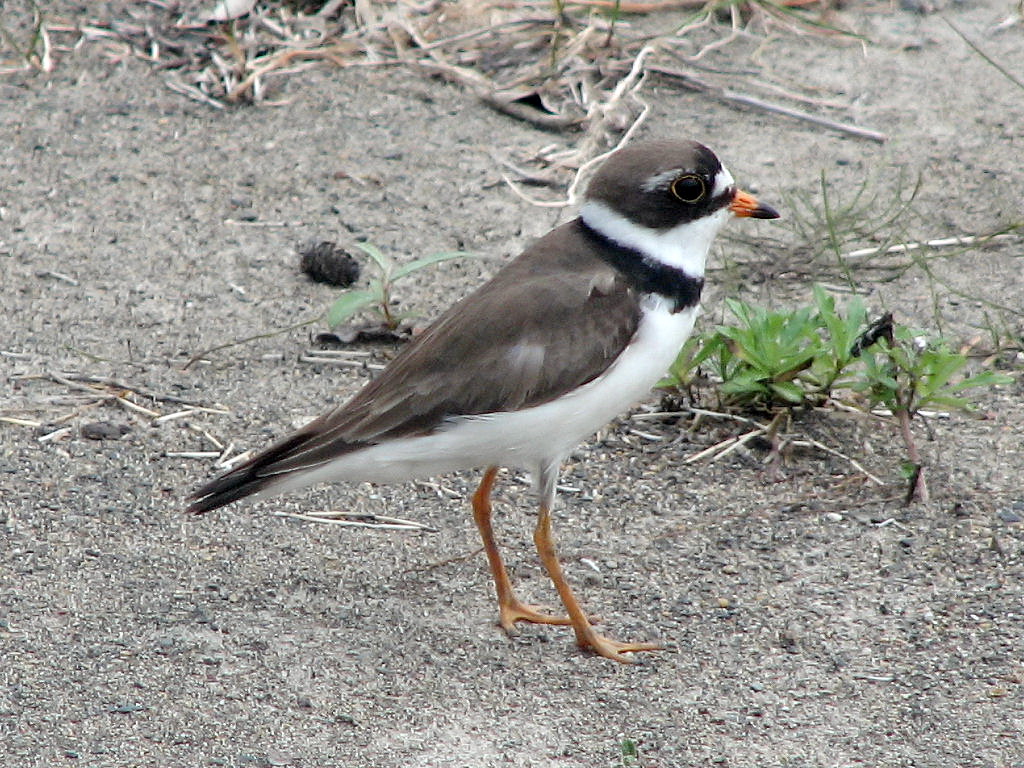 A clear picture of a semipalmated plover. D. Gordon E. Robertson photo, Creative Commons, Wikipedia.
 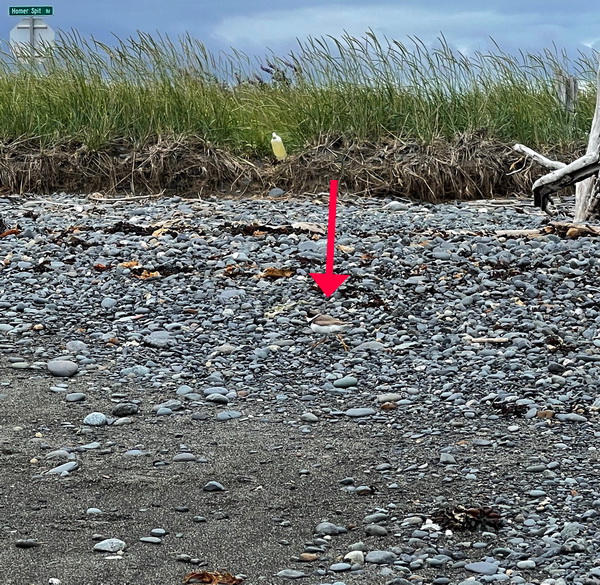 My first sighting of a semipalmated plover. This is just feet off the Homer Spit road (sign top left.) ©Susan Scott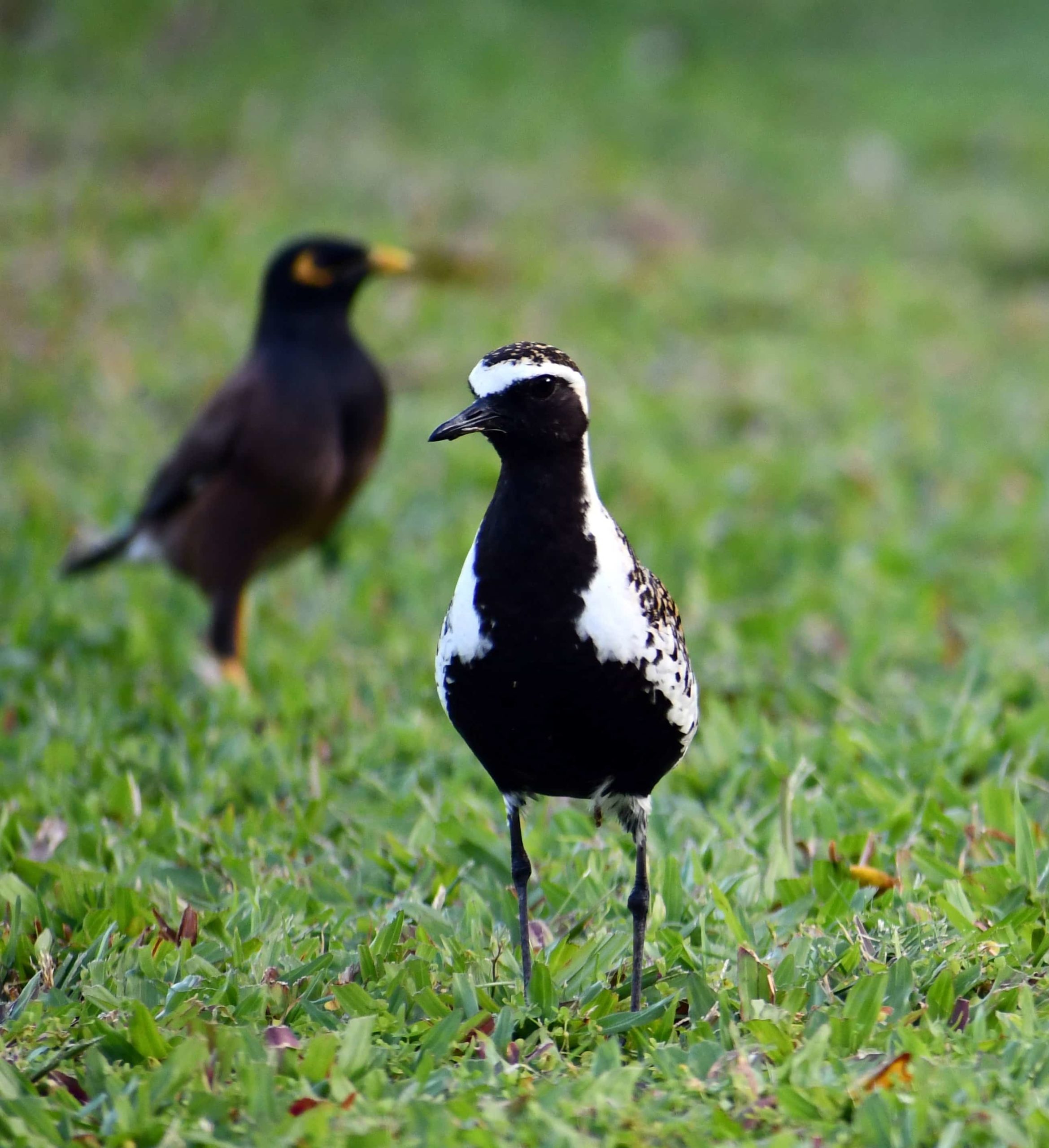
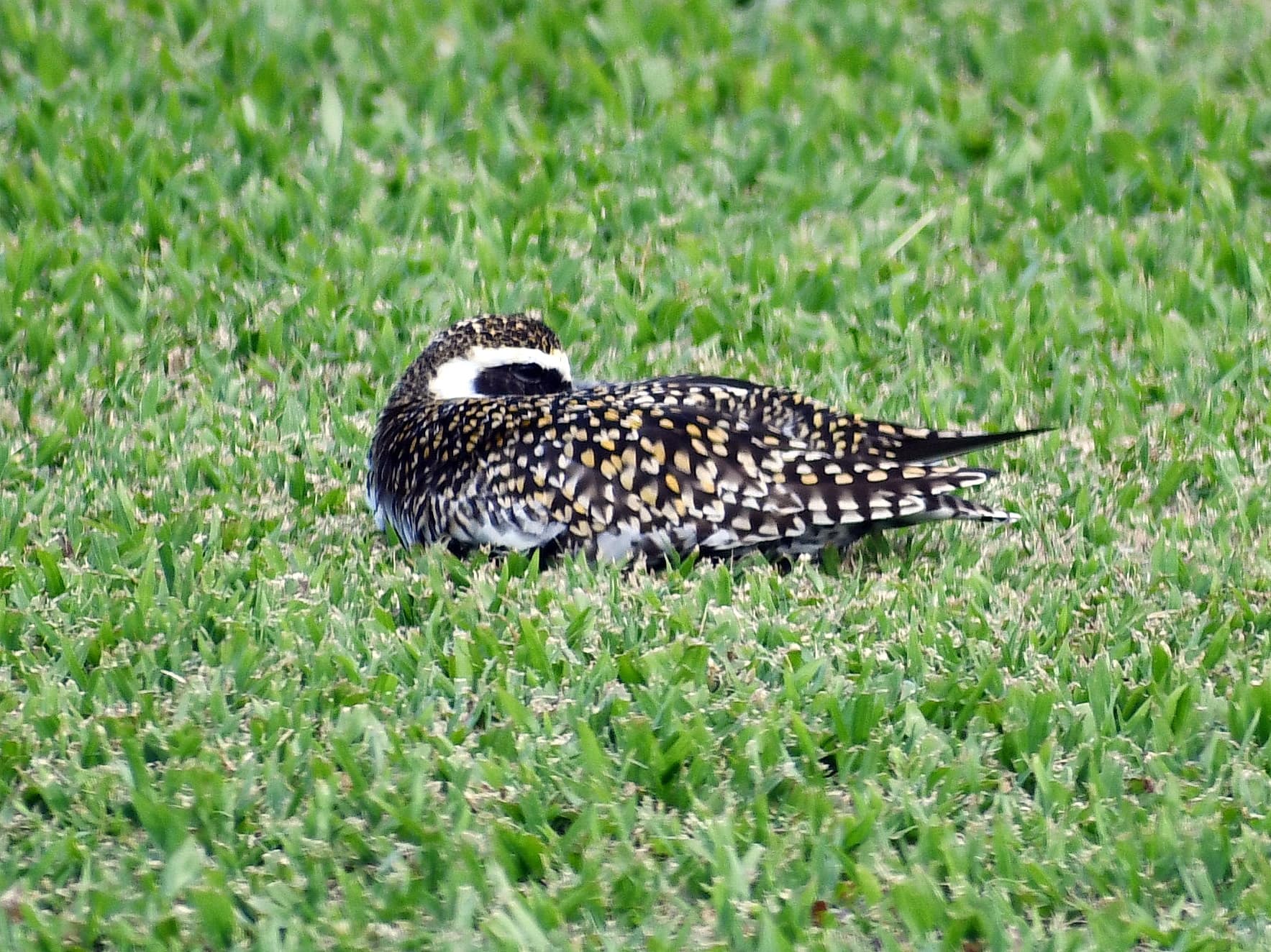 Resting up for the big trip. BYUH campus. ©Susan Scott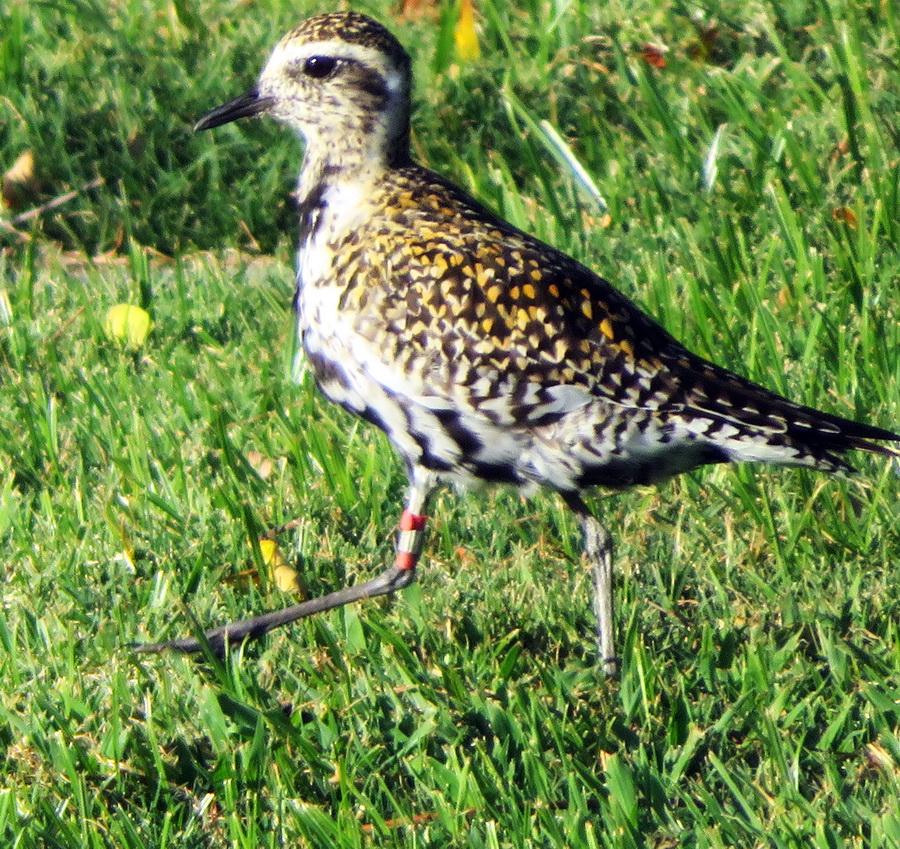
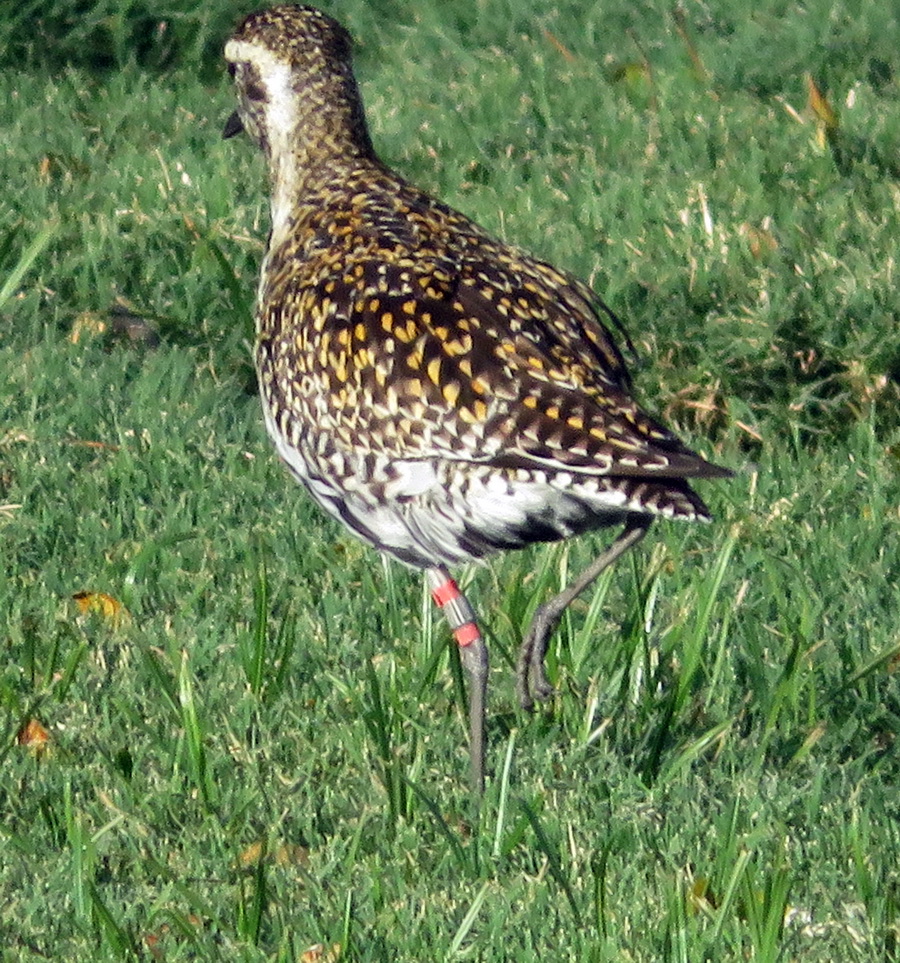 Sig’s discovery is excioting news. The last time Wally Johnson banded Kolea in Punchbowl was over 18 years ago, making this individual a minimum of 18 years, 6 months old. The bird might be older. Wally didn’t know the bird’s age when he placed the bands on its leg. Sigrid Southworth photo
 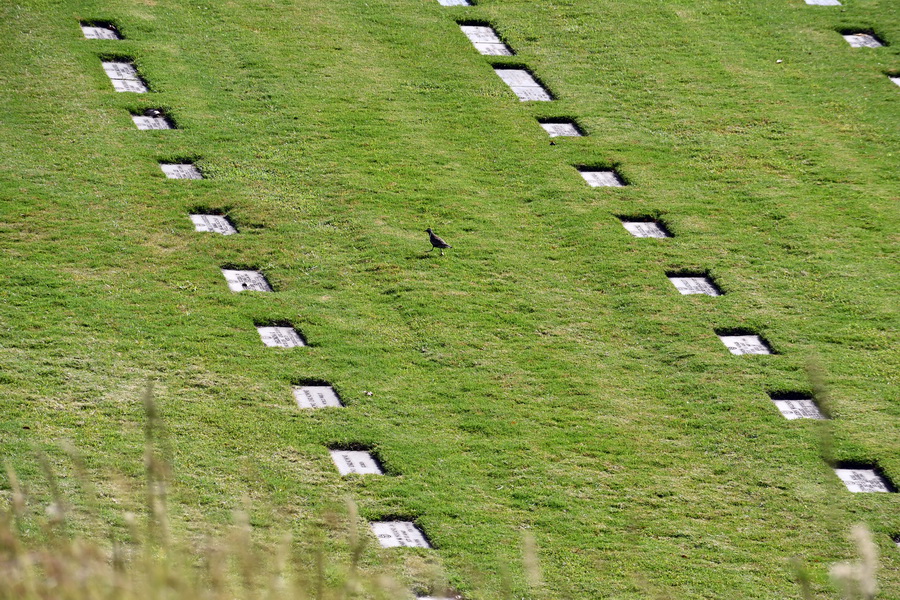 Heads-up: If you go to the National Memorial Cemetery of the Pacific (Punchbowl), an excellent place to watch plovers, rules of respect are enforced. I have been warned twice by security guards that neither walking (meaning strolling about) nor bird watching not allowed. Visiting graves or memorials, however, is fine. Now when I’m there, and they ask, I am “visiting.” Susan Scott photo.
  My update on the Kolea Count is Thursday, April 1st at 6:30 via live Zoom. Register to join me.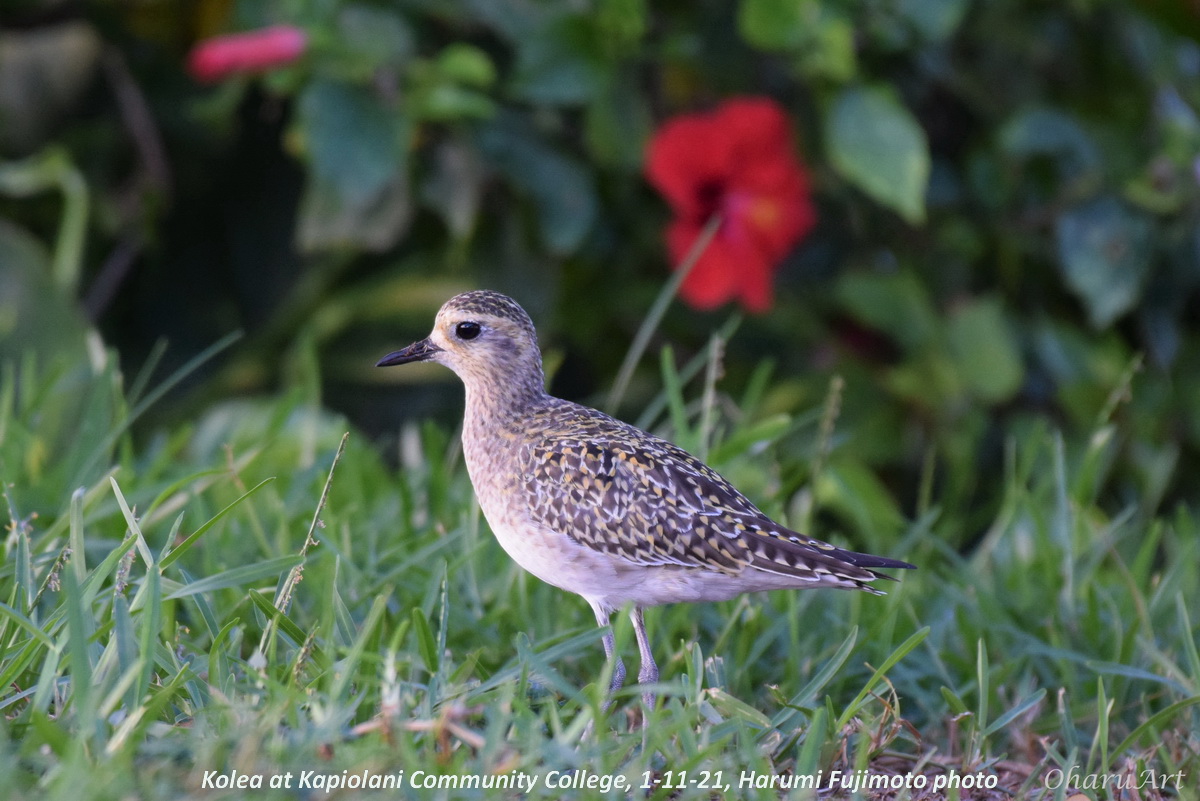
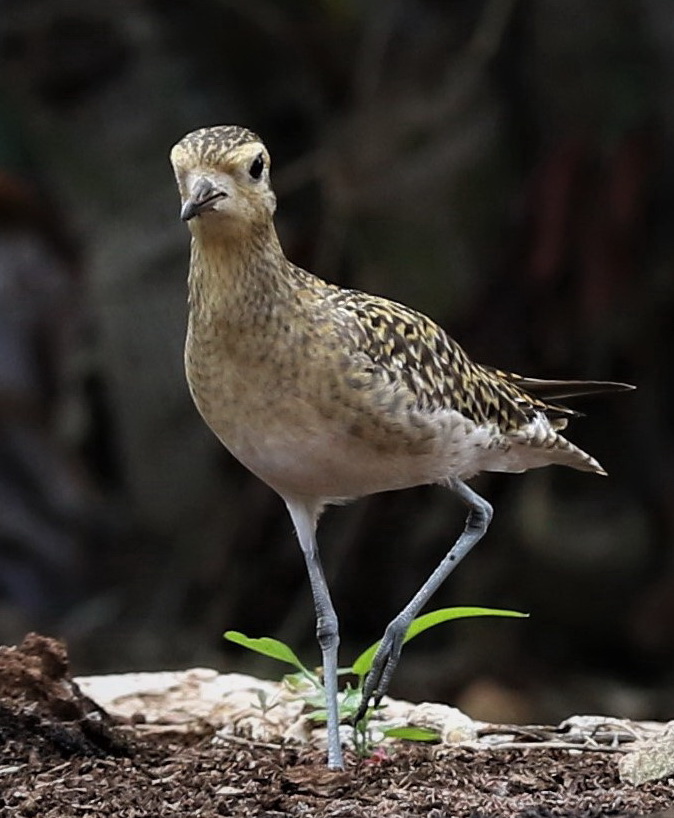 This plover, named “Newbie,” arrived in Debbie and Alan’s Enchanted Lake yard January 2, 2021, as if a gift for the new year.
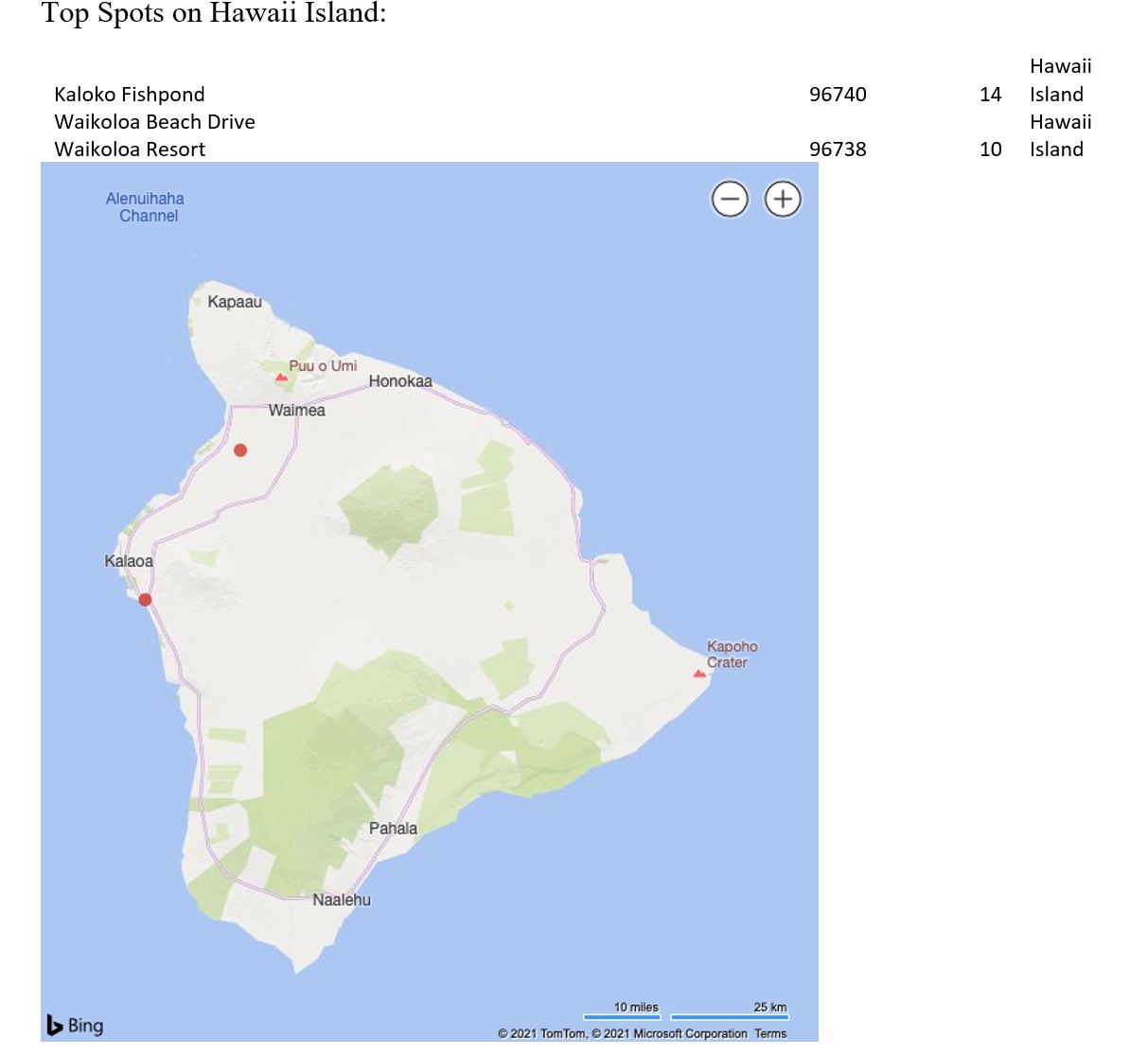
 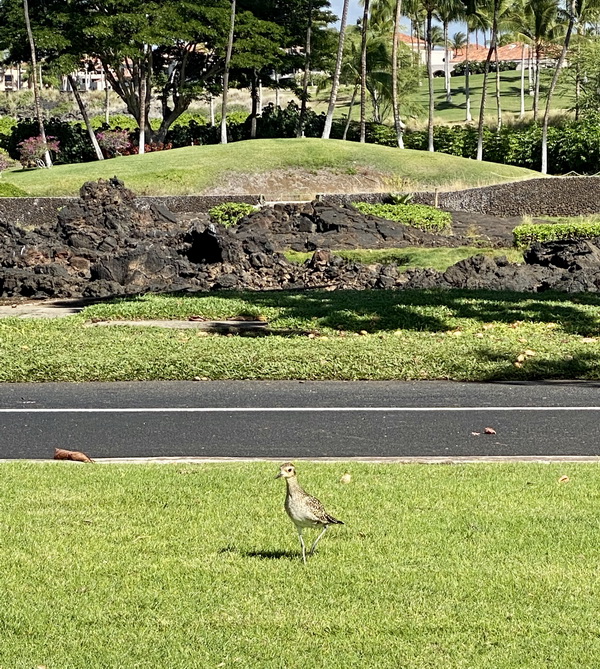 Waikoloa Beach Drive, February 2. Photo courtesy Toni McDaniel.
 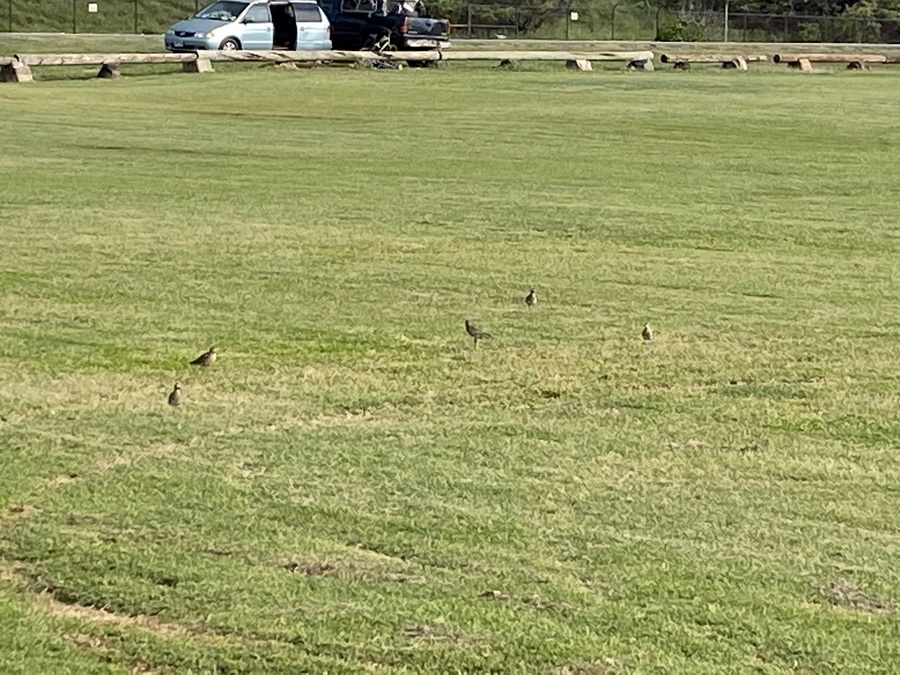 From Michael Feeley, February 6: “Grass field at Sandy Beach. Rare to see 5 together. Occasionally one would get irritated, but they mostly were peaceful for about 5 minutes. They flew off together when a kite flyer came by.”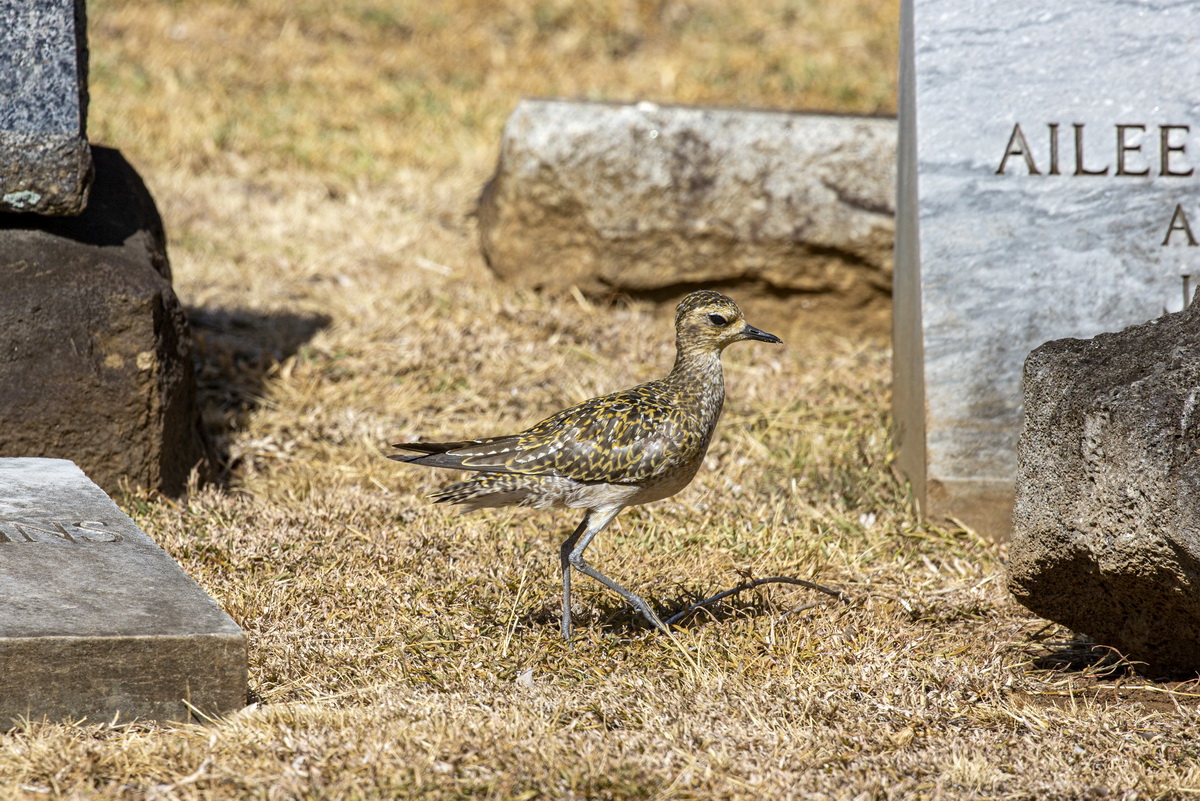
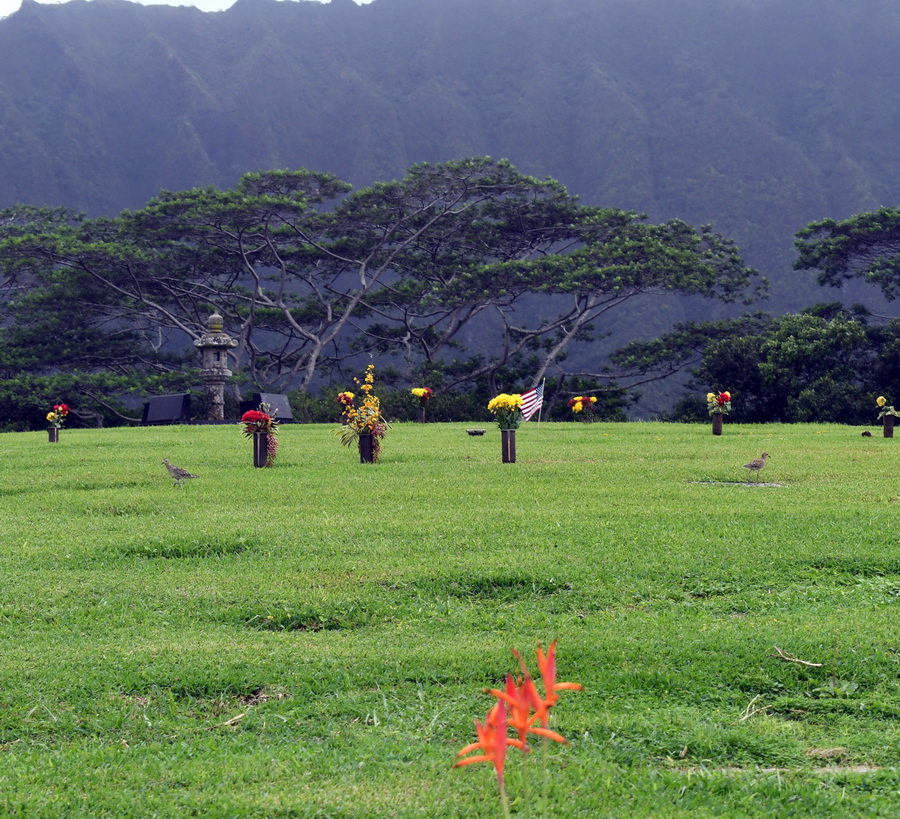 Some Kolea tolerate another individual nearby. These two forage near one another, with no fighting, at Hawaii State Veterans Cemetery, Windward Oahu. ©Susan Scott
 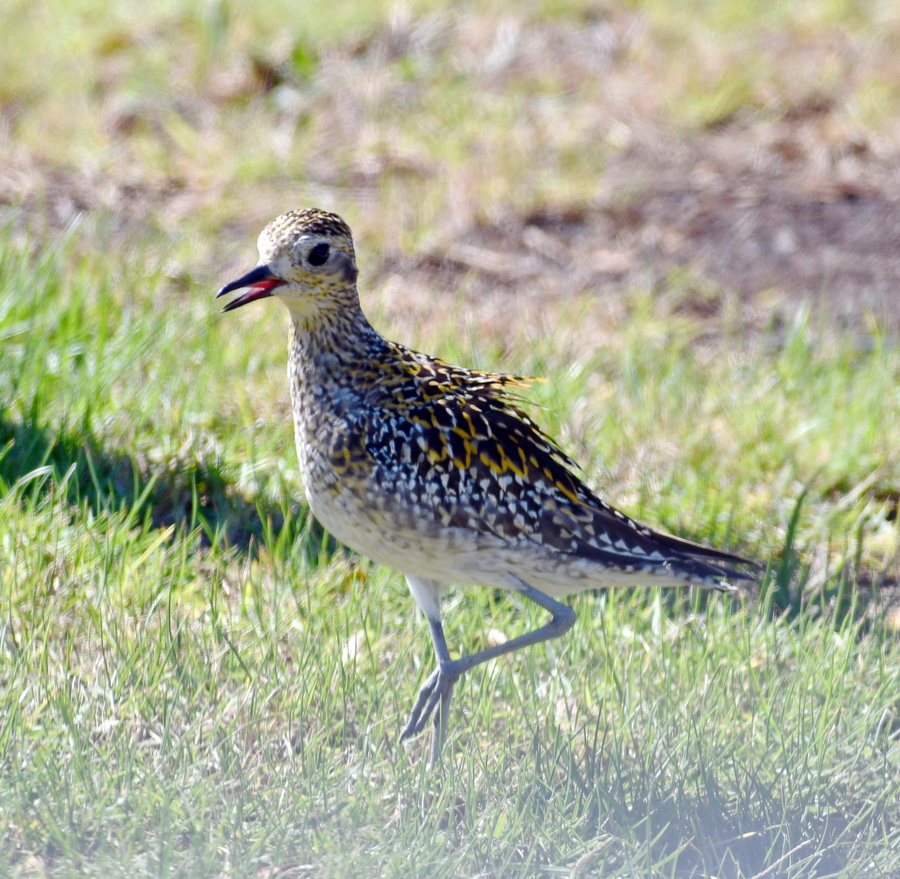 This bird, unperturbed by vehicles or people, forages in the parking lot of the Ala Wai Golf Course. ©Susan Scott
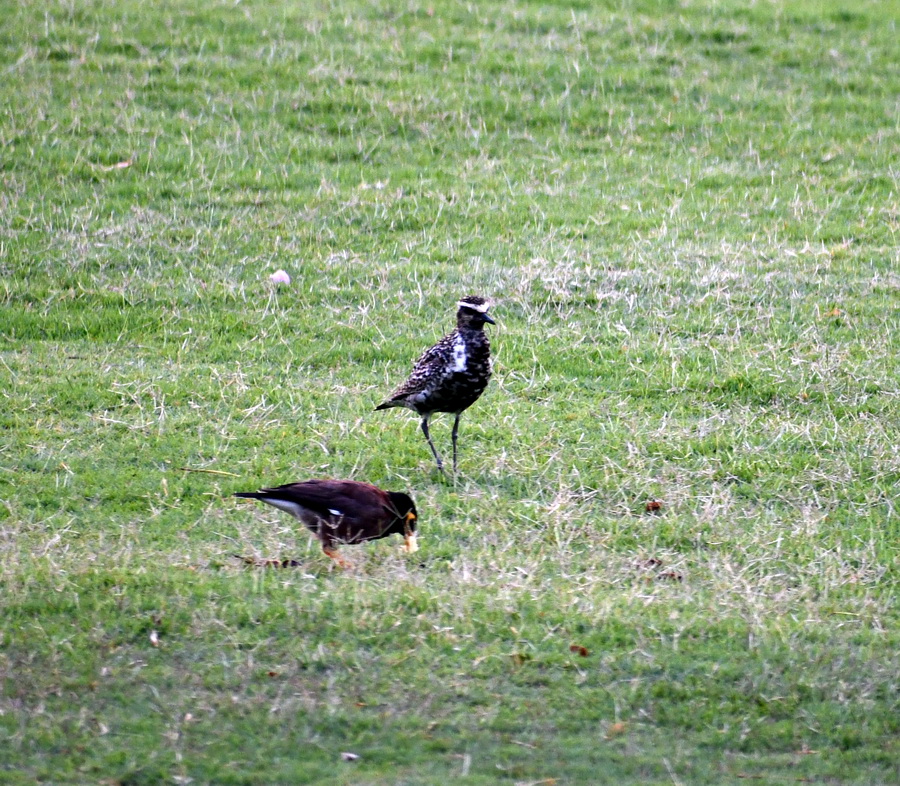
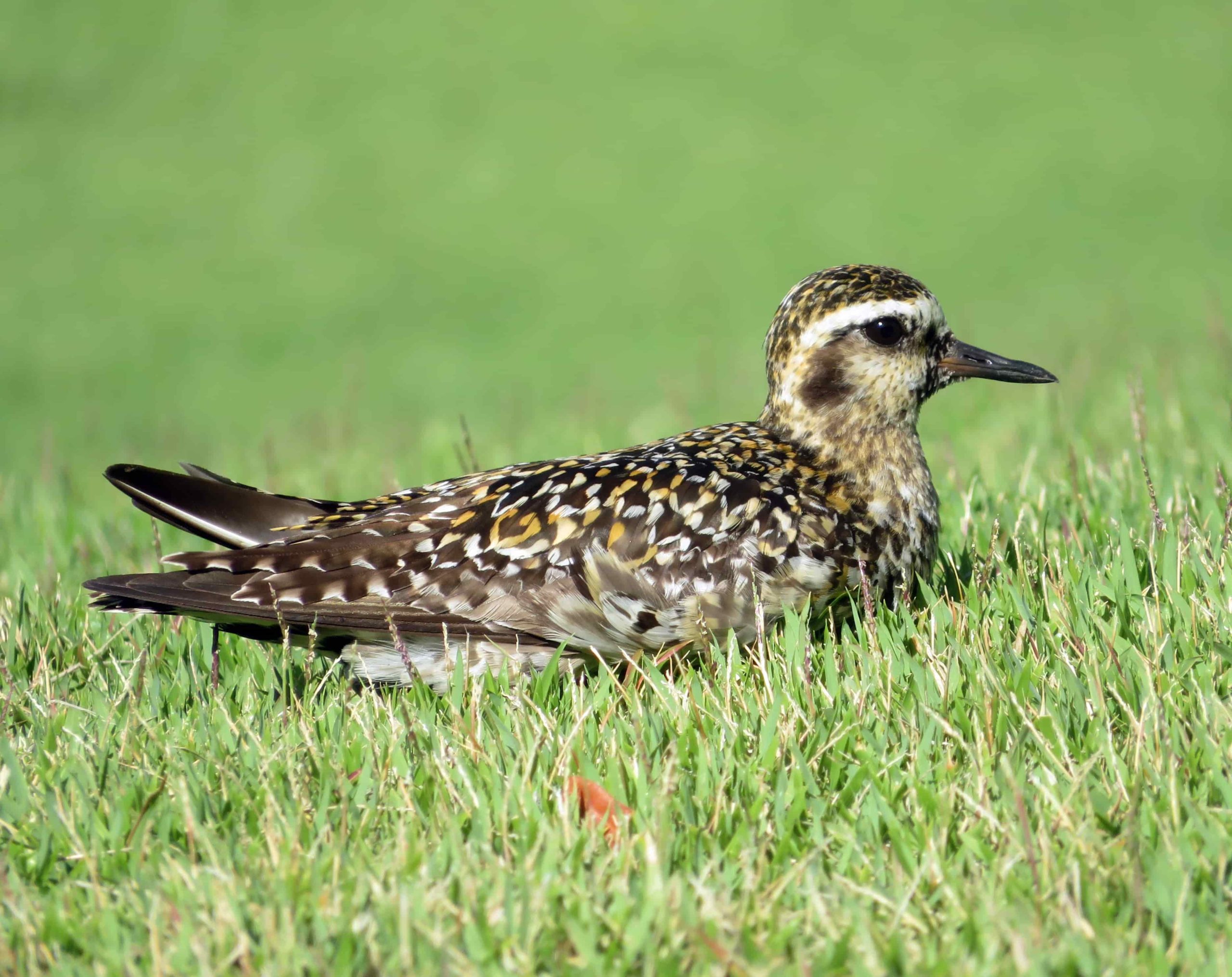
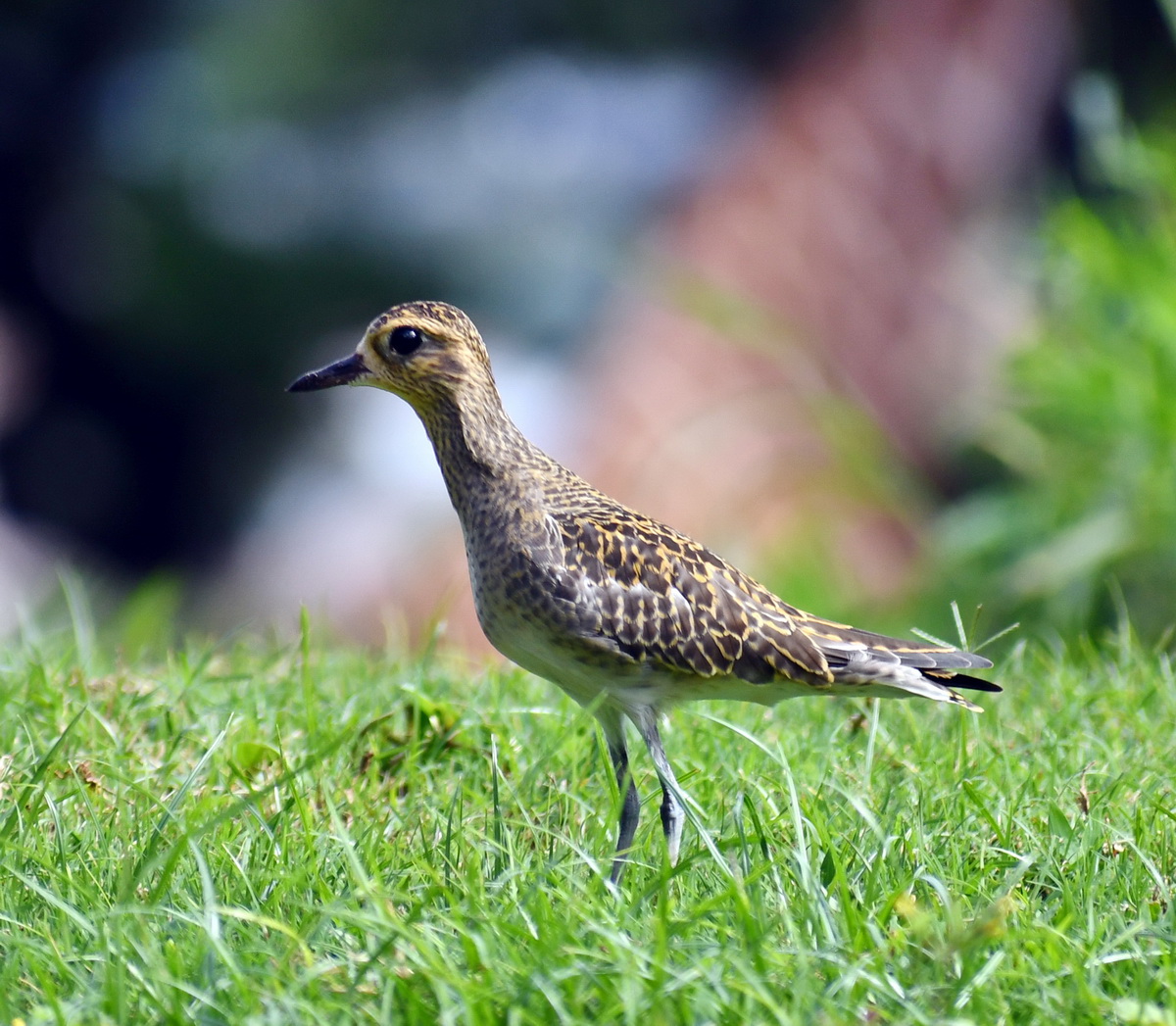 Typical winter colors of Kolea. ©Susan Scott
  Mauna Kea Golf Course, Big Island.
 Kapalua Resort, Lahaina, Maui …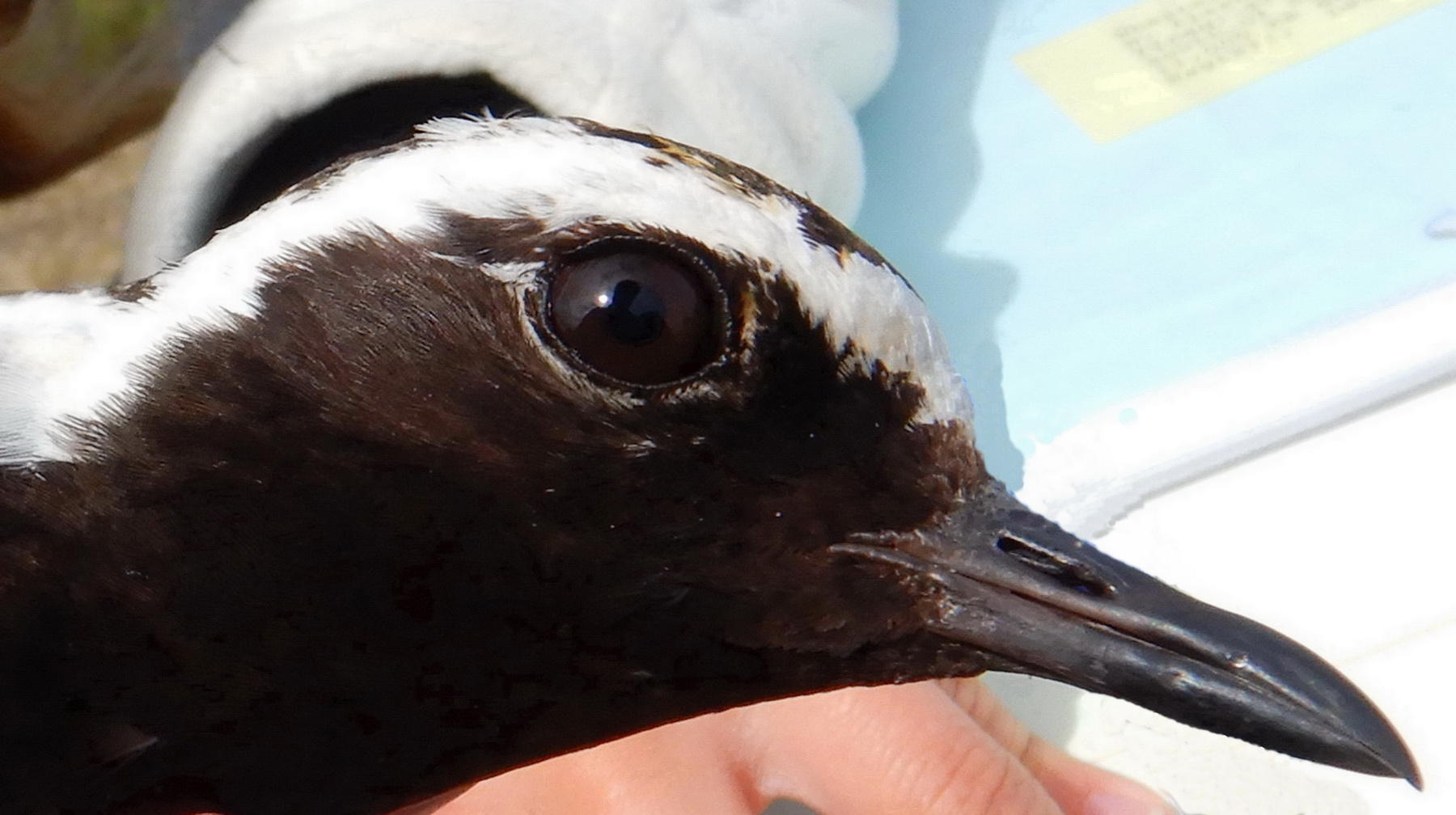
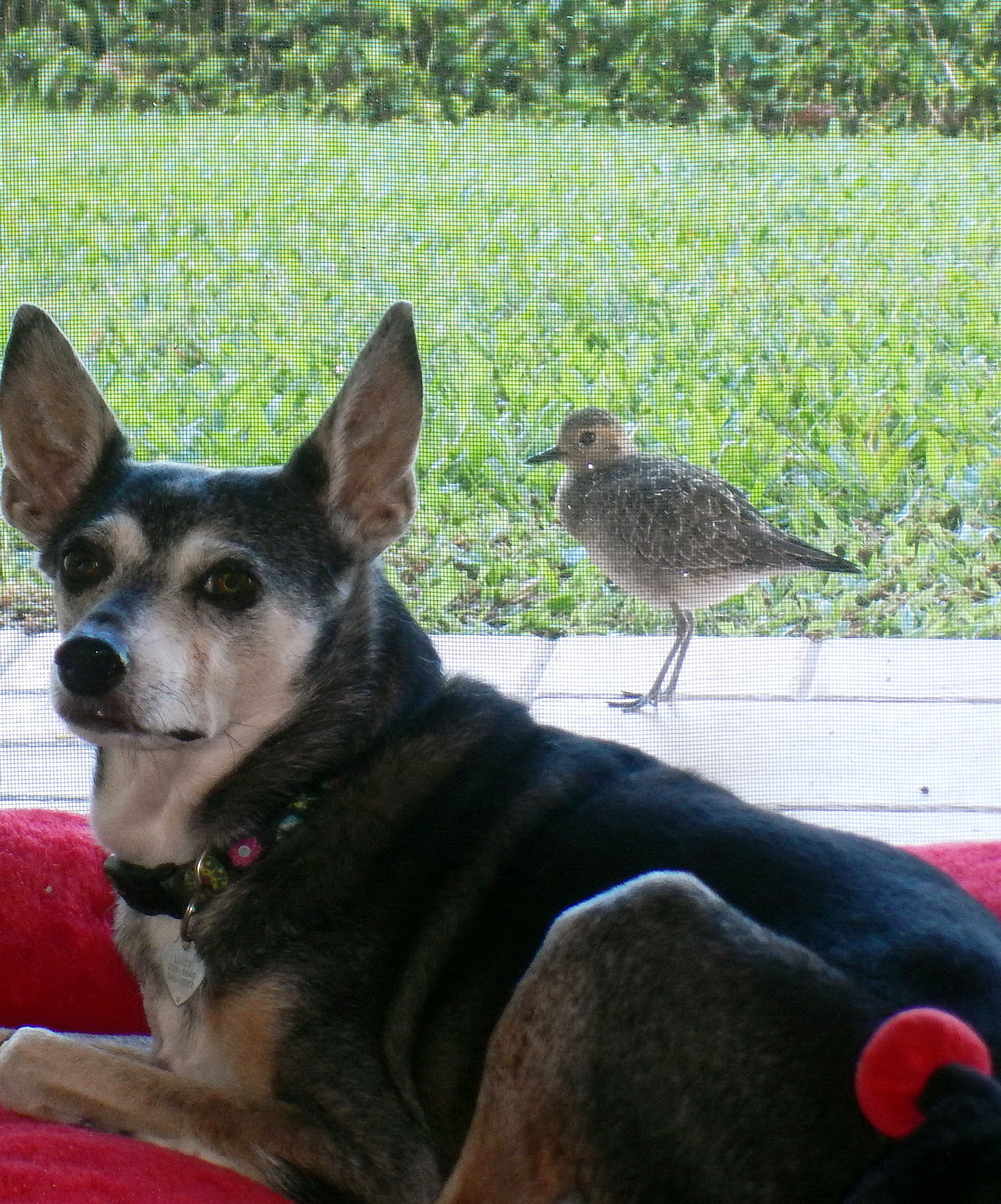 This Kolea, named Gracie, learned that the family dog, Lucy, was no threat. A screen separates the dog and the bird. ©Susan Scott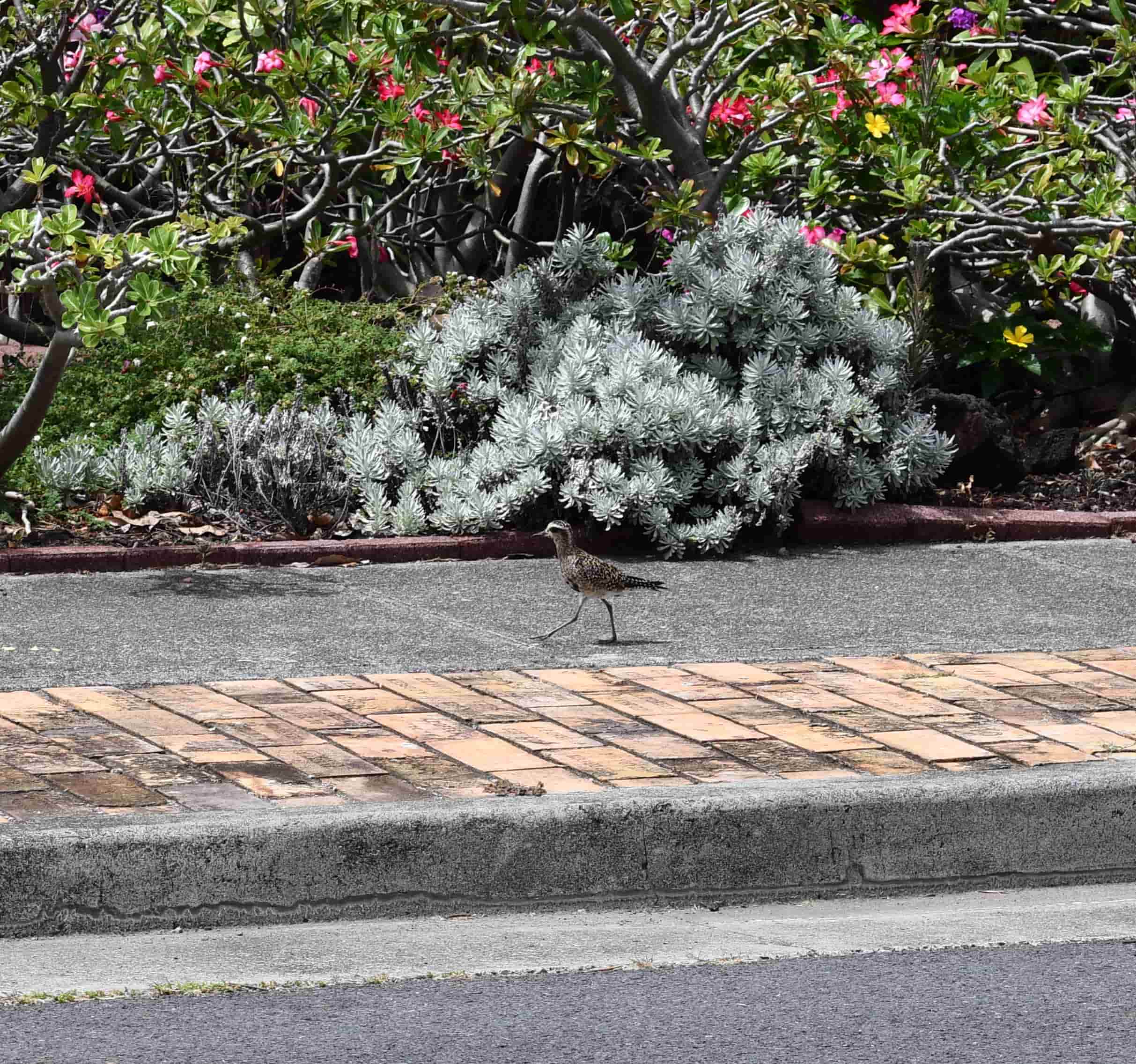
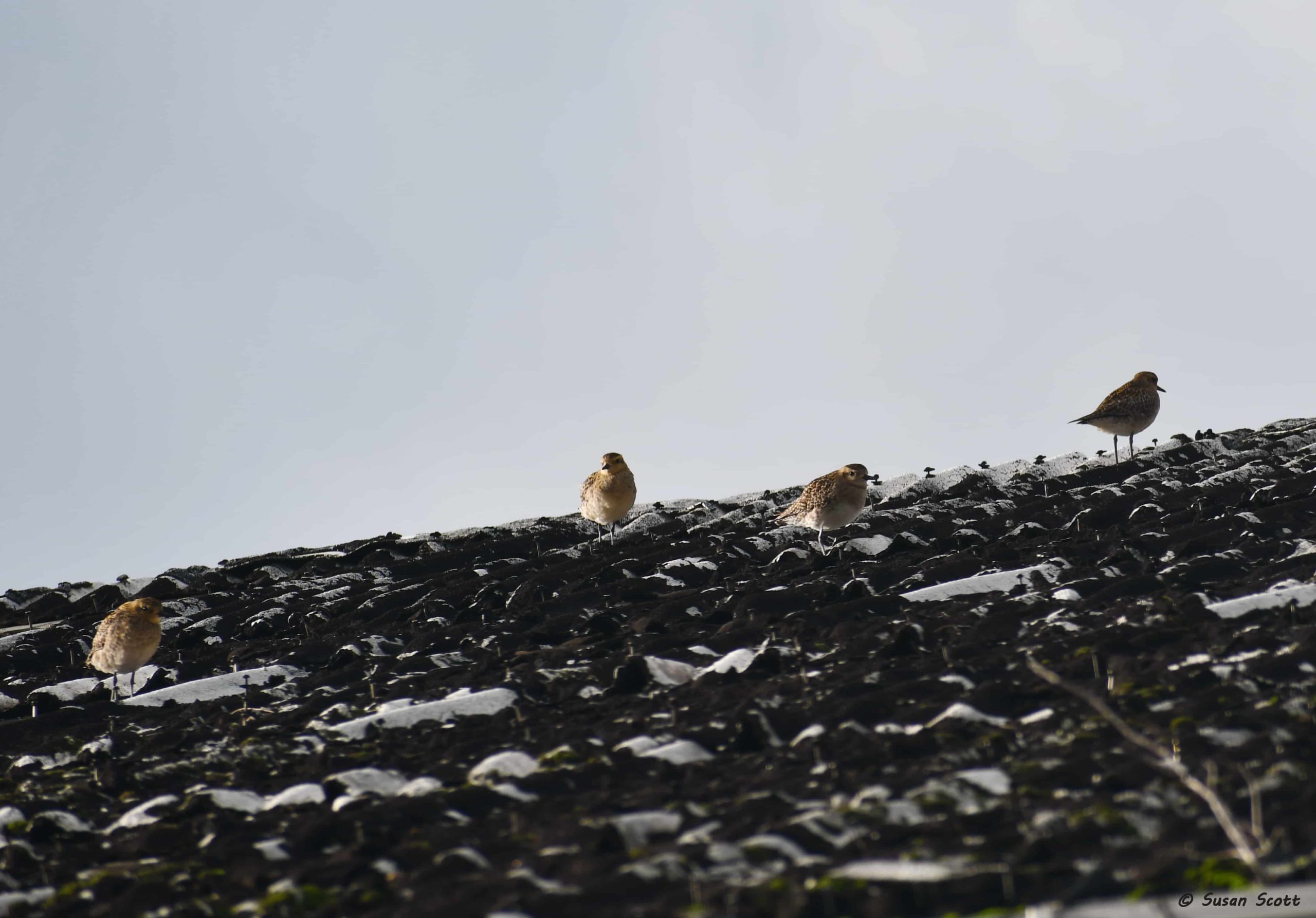 Bedtime for birdies. A dusk gathering of Kolea on a rooftop at Midway Atoll. ©Susan Scott