Hawaii’s birds hold their own Easter parade
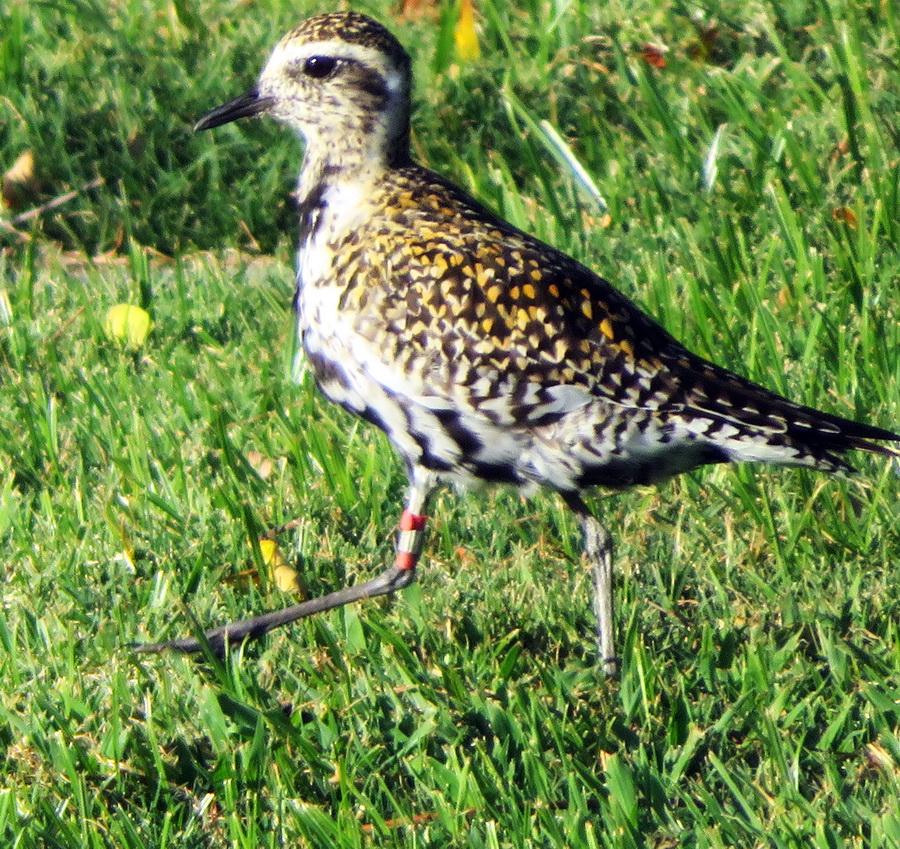 Mr. X, banded 18 years, 6 months ago at Punchbowl cemetery. Sigrid Southworth photo
March 24, 2021
Earlier this year, Kolea fan, Sigrid Southworth, spotted a plover at Punchbowl Cemetery with colored leg bands. The bird was too far away for a picture, and during subsequent visits, Sig, a retired Kamehameha Schools teacher and longtime helper of plover expert Wally Johnson, did not see it again.
Because the bird hangs out in the X section of the cemetery, Sig nick-named it, Mr. X. (That may change to Ms. X after the bird’s new spring feathers have all grown in.)
Last week, during one of her many plover monitoring visits to this cemetery, Sig sat in her car near section X to watch the four plovers that have been foraging there this winter. Since she was too far away to see which, if any, wore leg bands, after about 20 minutes, Sig walked slowly toward them.
And there, standing about 50 feet away, was bird-with-bands, Mr. X. Sig shot several photos, keeping her distance so as not to startle the bird into flying.
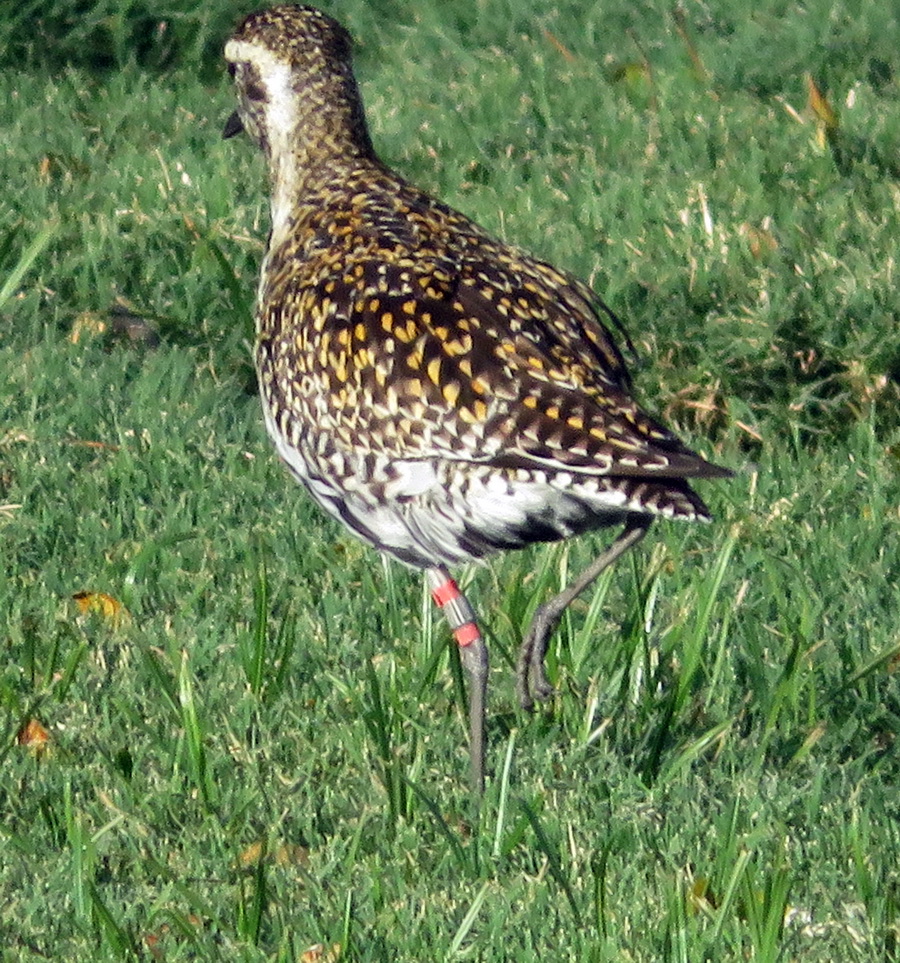 Sig’s discovery is excioting news. The last time Wally Johnson banded Kolea in Punchbowl was over 18 years ago, making this individual a minimum of 18 years, 6 months old. The bird might be older. Wally didn’t know the bird’s age when he placed the bands on its leg. Sigrid Southworth photo
The current age record for Pacific Golden-Plovers is a Bellows bird that disappeared 21 years and 3 months after banding. I know all Kolea fans join me in wishing Mr. X continued good luck in his 3,000-mile migrations. We hope he/she will reach, or even break, Mr. Bellow’s age record.
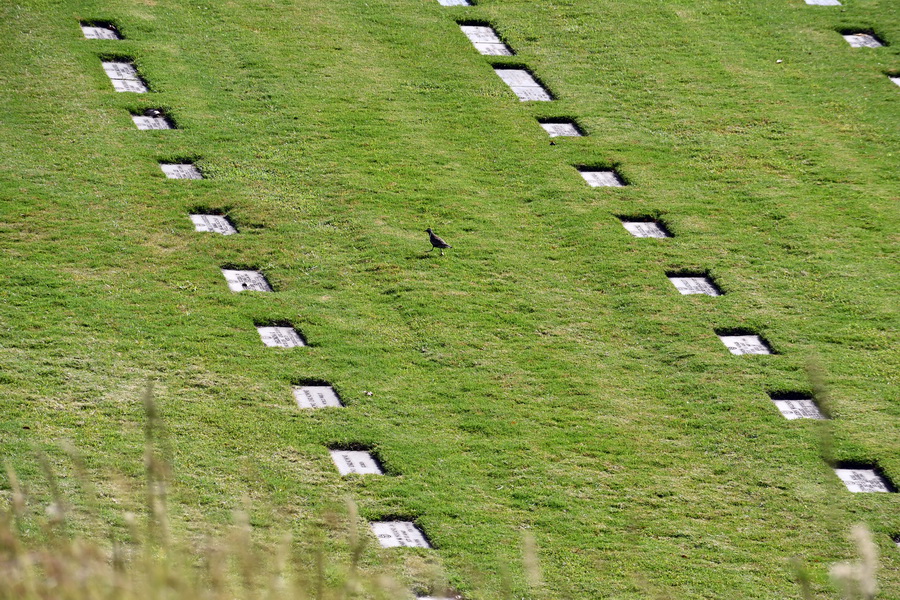 Heads-up: If you go to the National Memorial Cemetery of the Pacific (Punchbowl), an excellent place to watch plovers, rules of respect are enforced. I have been warned twice by security guards that neither walking (meaning strolling about) nor bird watching not allowed. Visiting graves or memorials, however, is fine. Now when I’m there, and they ask, I am “visiting.” Susan Scott photo.
In other Kolea news, we launched this first-ever, statewide Kolea count just as Covid-19 changed the world as we knew it. Even though I didn’t get to advertise the count by giving talks in person on Oahu and neighbor islands, word got out and plover lovers responded.
To learn what worked, what did not, and what the future holds for monitoring our much-loved Kolea, tune in to my PowerPoint talk this Thursday, April 1st, at 6:30 PM via the Hanauma Bay Education Program’s live Webinar. Register at bit.ly/31poIjB (You must resister to get an invitation.)
 My update on the Kolea Count is Thursday, April 1st at 6:30 via live Zoom. Register to join me.
All of April’s Thursday talks at Hanauma Bay are being given by …
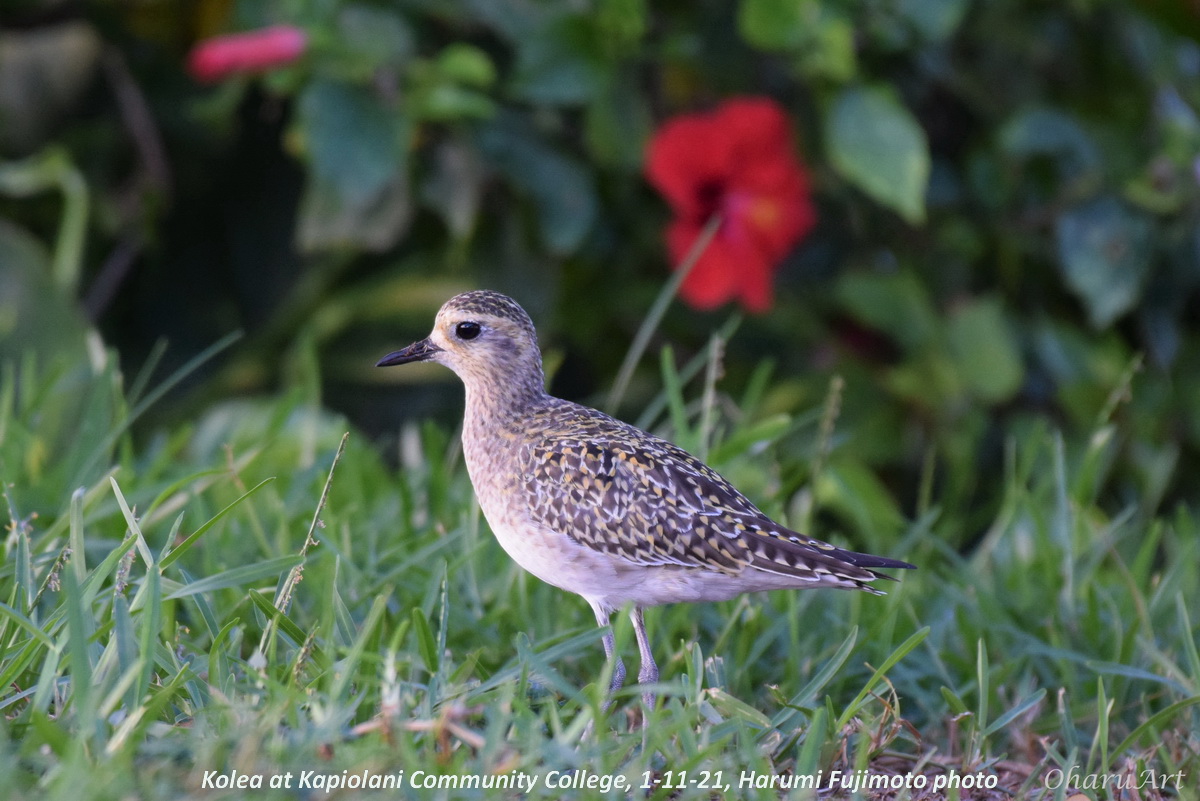
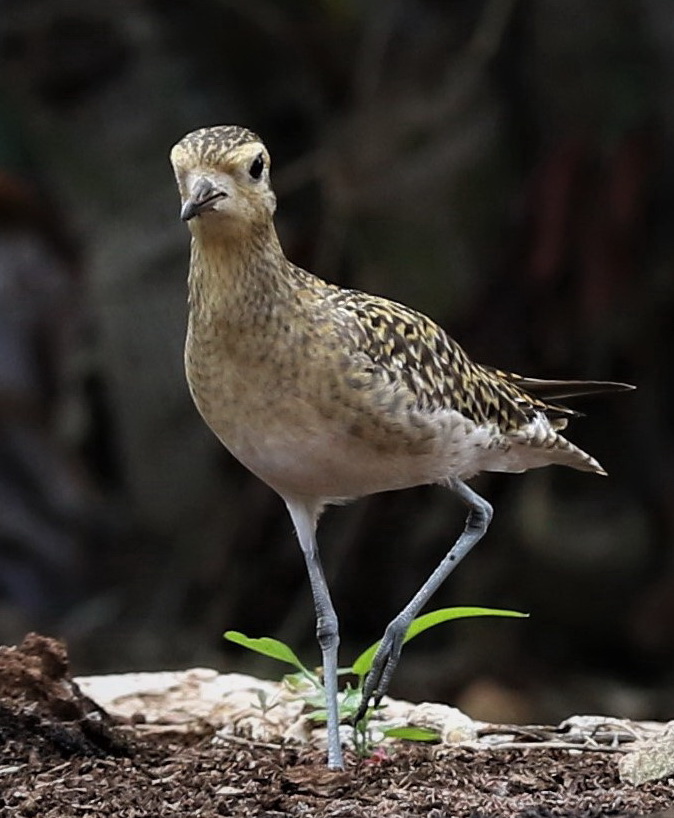 This plover, named “Newbie,” arrived in Debbie and Alan’s Enchanted Lake yard January 2, 2021, as if a gift for the new year.
 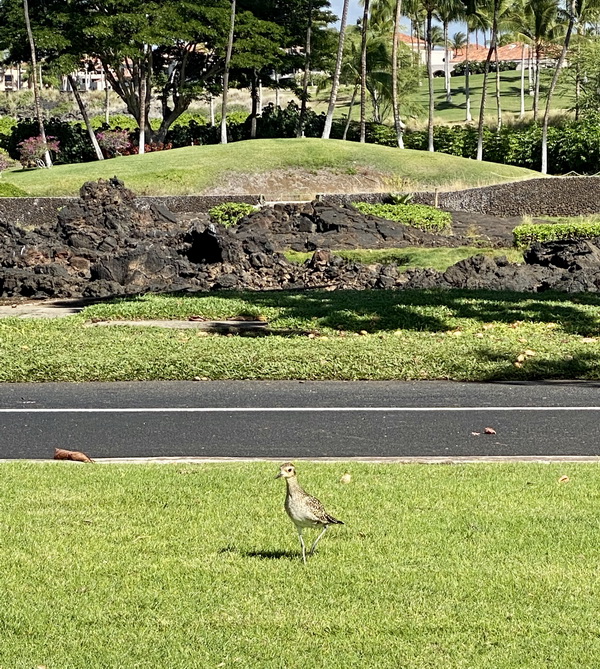 Waikoloa Beach Drive, February 2. Photo courtesy Toni McDaniel.
 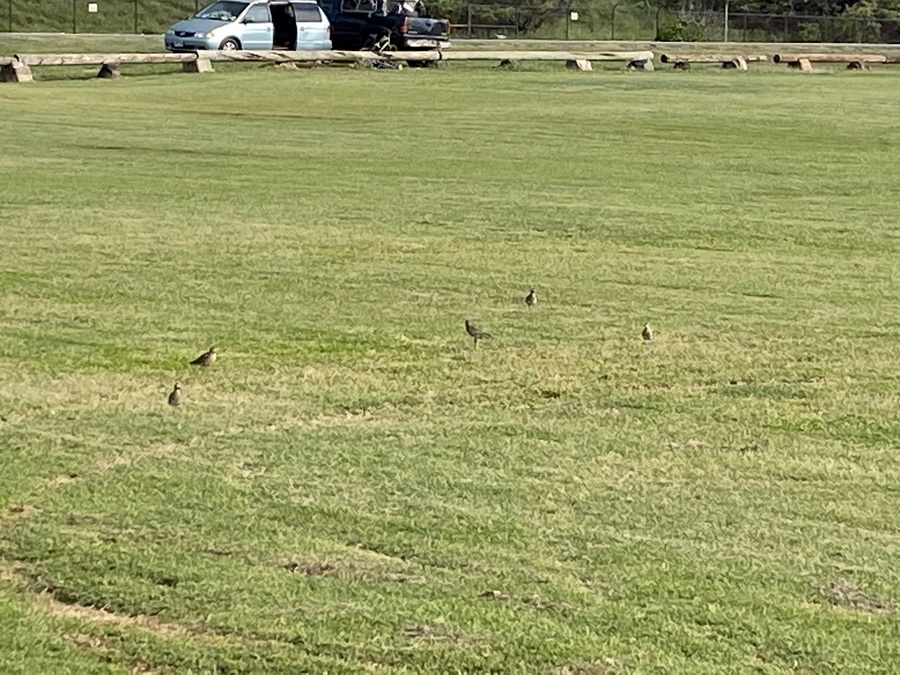 From Michael Feeley, February 6: “Grass field at Sandy Beach. Rare to see 5 together. Occasionally one would get irritated, but they mostly were peaceful for about 5 minutes. They flew off together when a kite flyer came by.”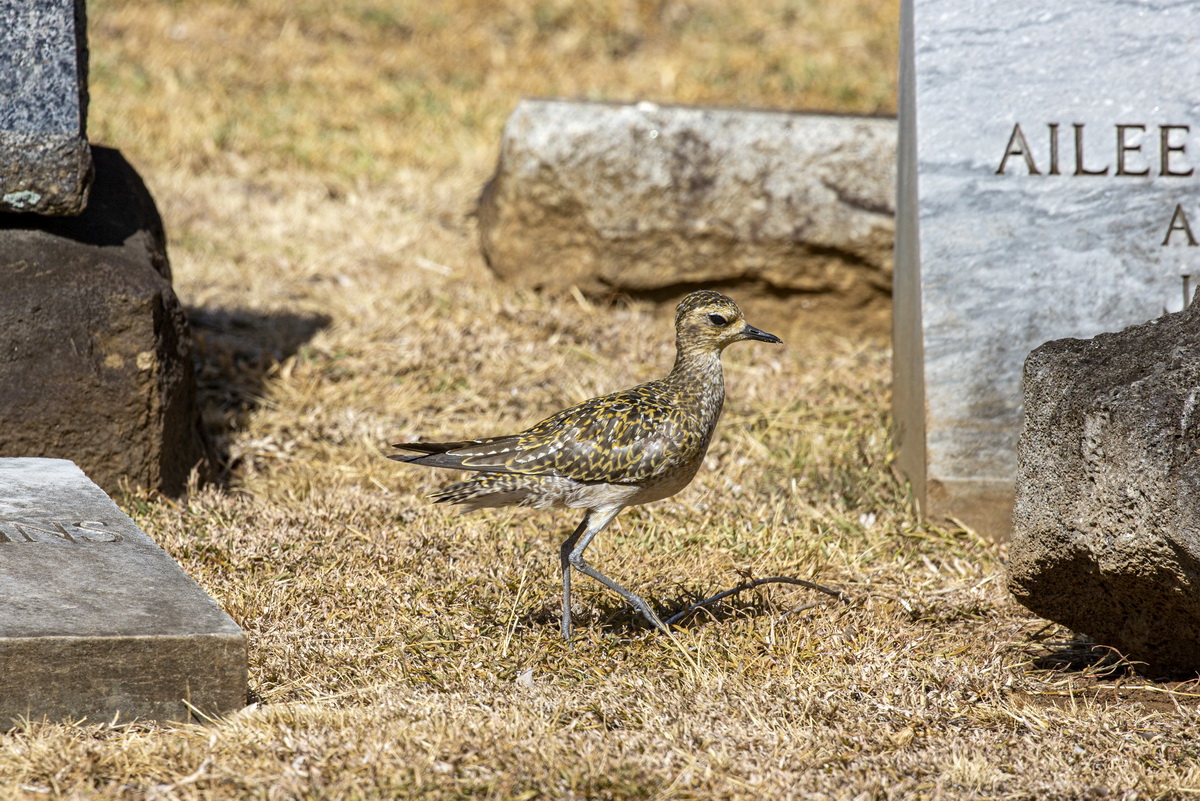
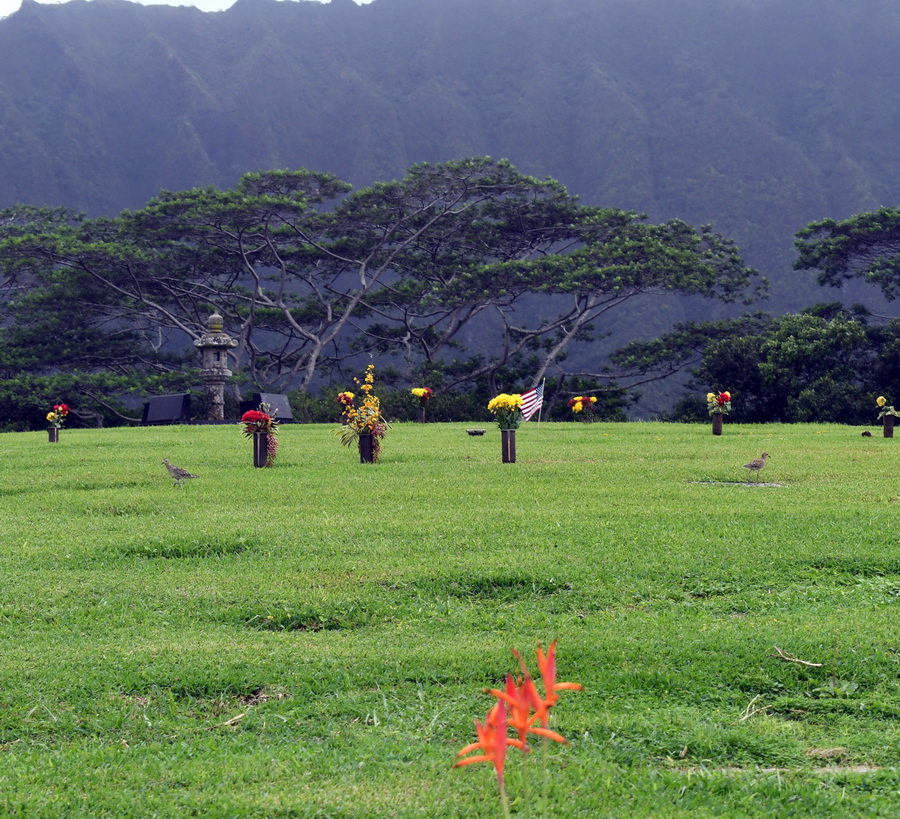 Some Kolea tolerate another individual nearby. These two forage near one another, with no fighting, at Hawaii State Veterans Cemetery, Windward Oahu. ©Susan Scott
  This bird, unperturbed by vehicles or people, forages in the parking lot of the Ala Wai Golf Course. ©Susan Scott
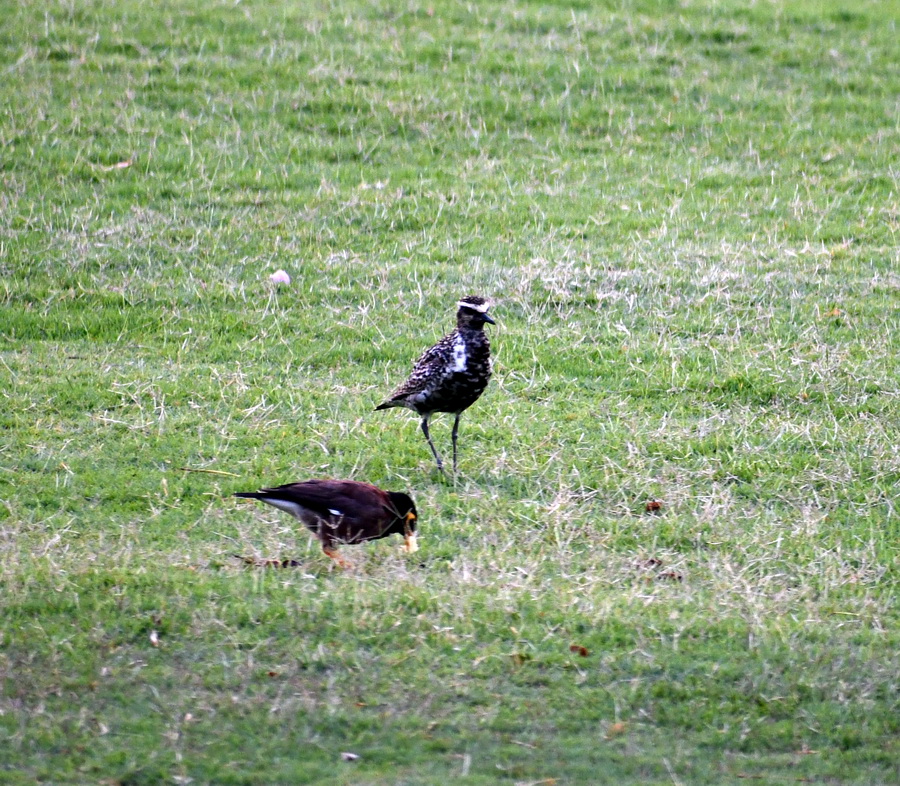
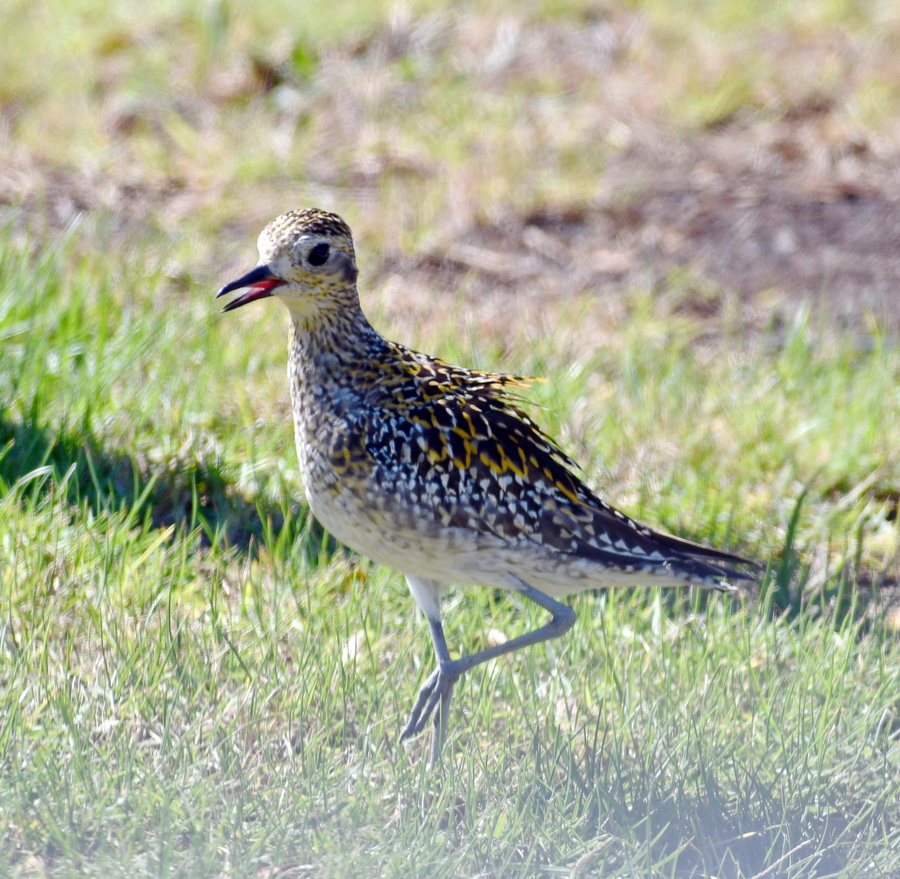
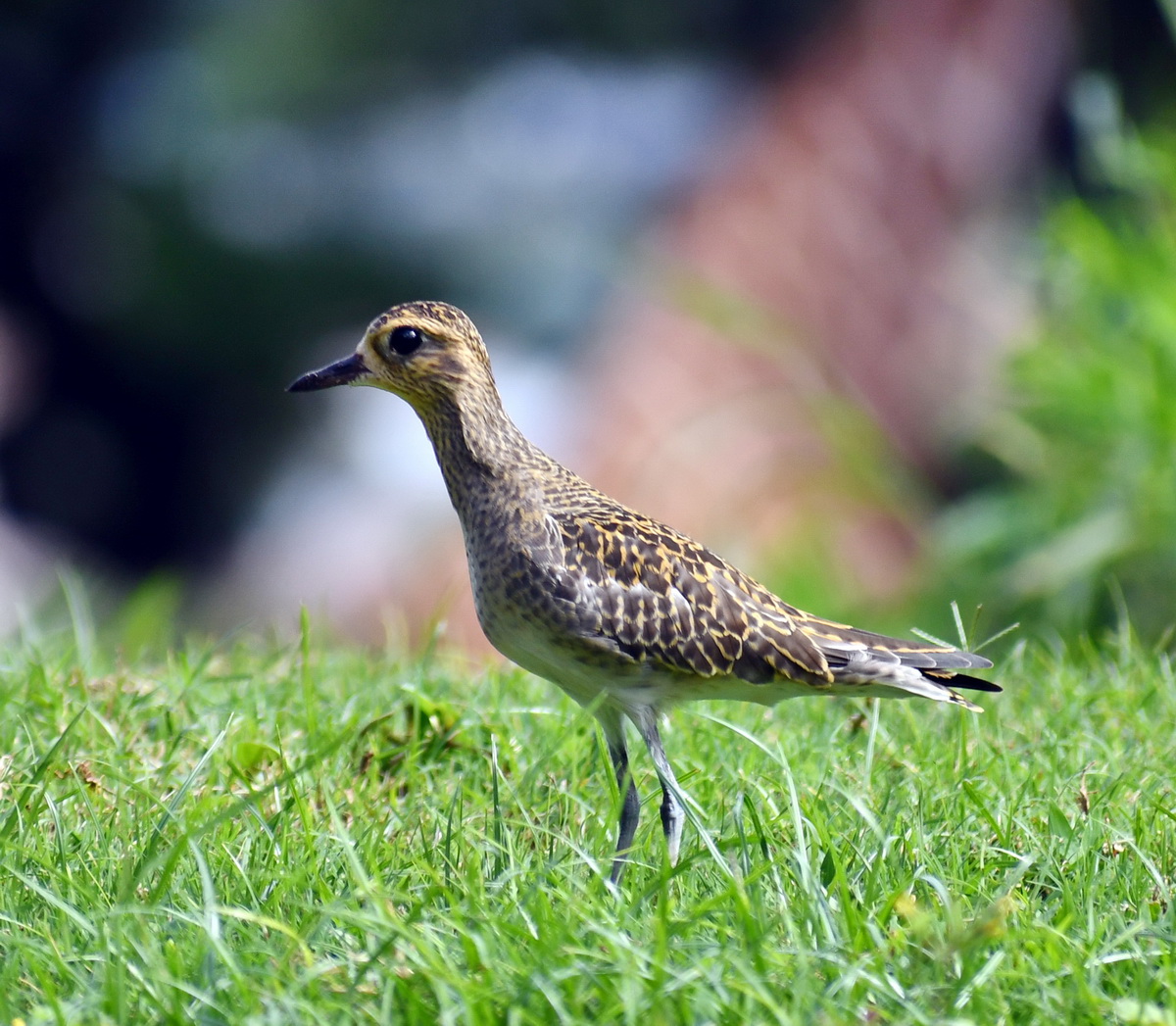 Typical winter colors of Kolea. ©Susan Scott
 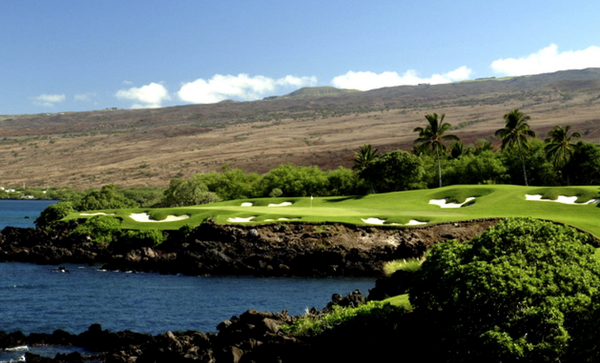 Mauna Kea Golf Course, Big Island.
 Kapalua Resort, Lahaina, Maui …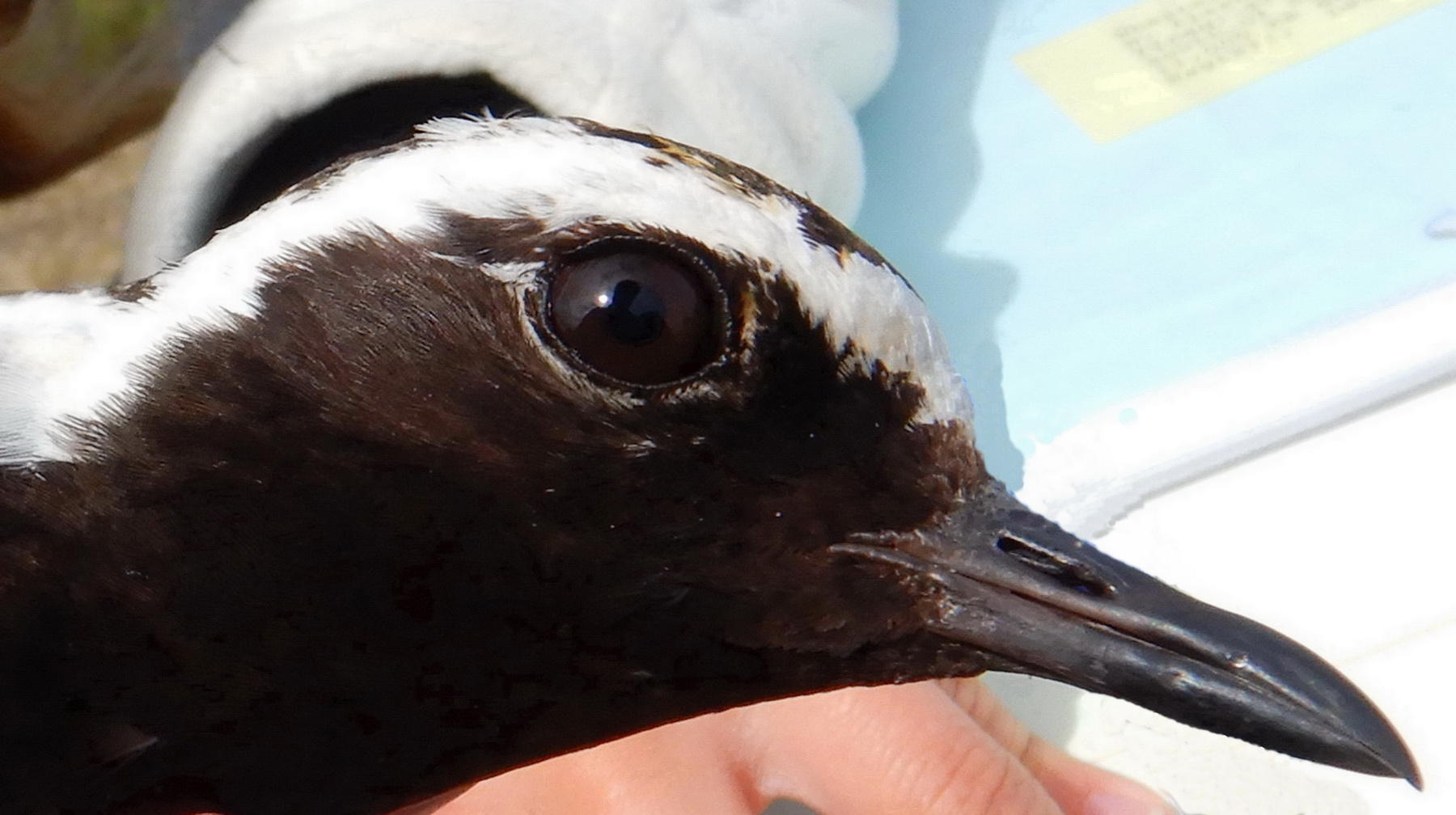
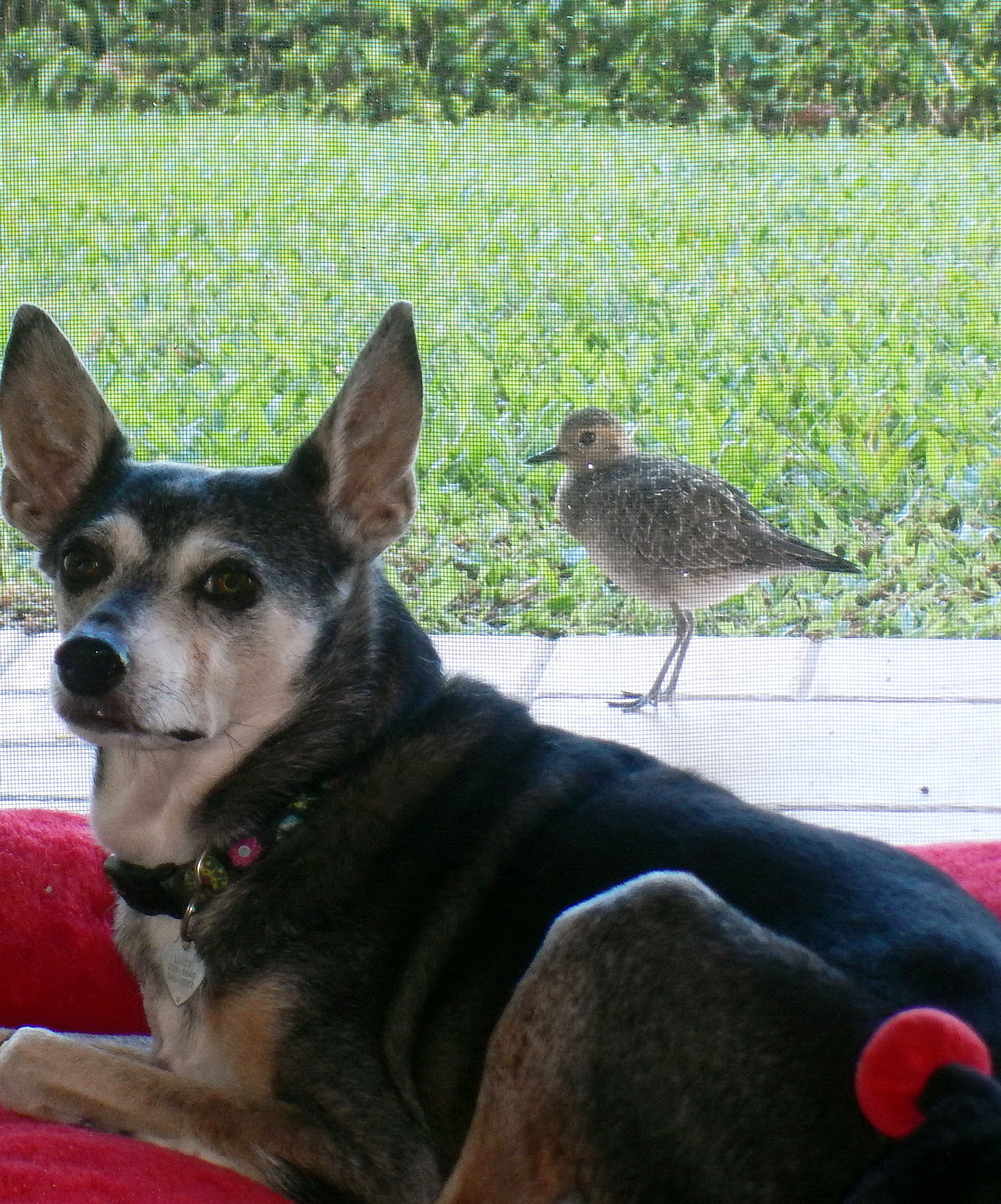 This Kolea, named Gracie, learned that the family dog, Lucy, was no threat. A screen separates the dog and the bird. ©Susan Scott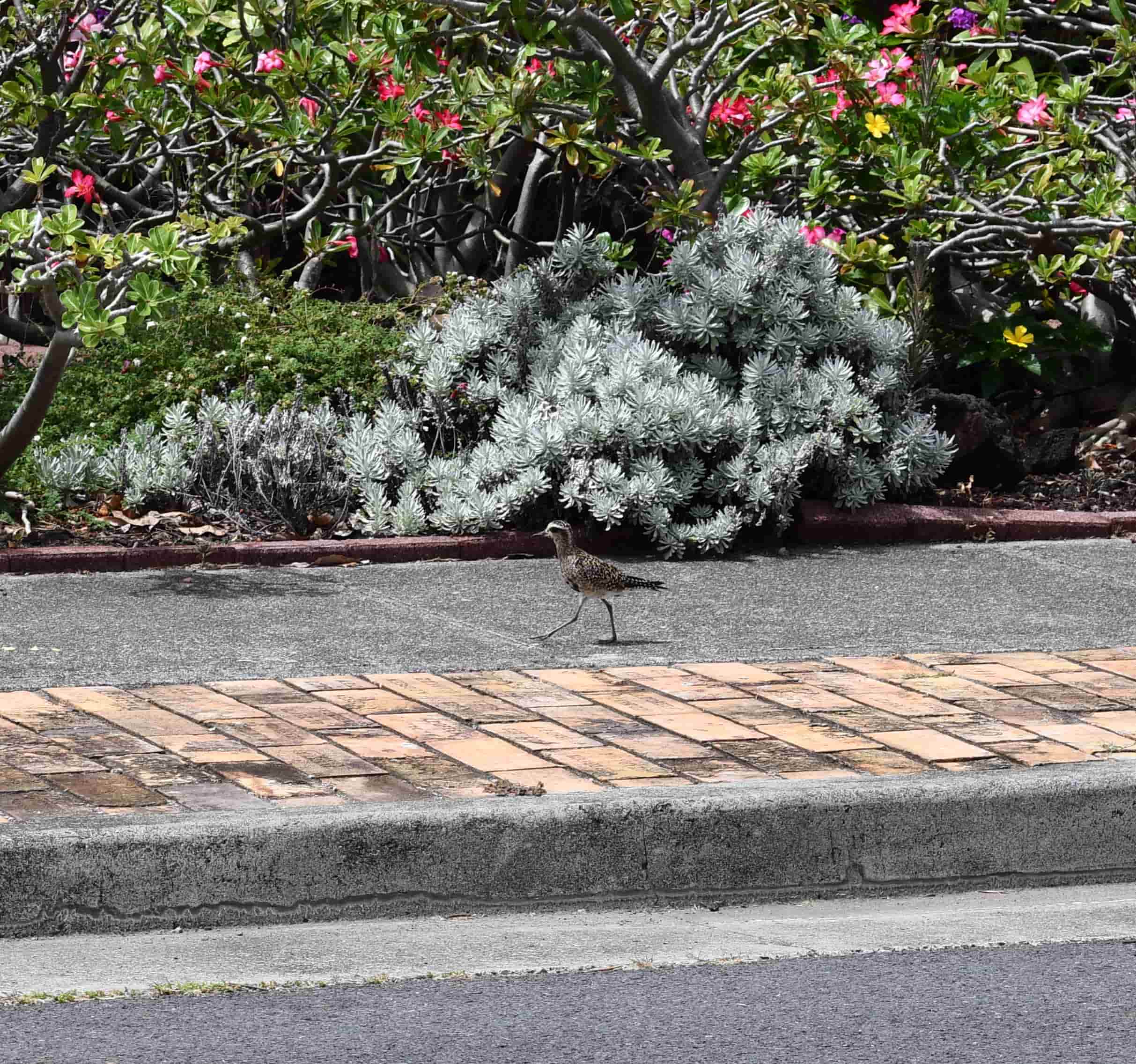
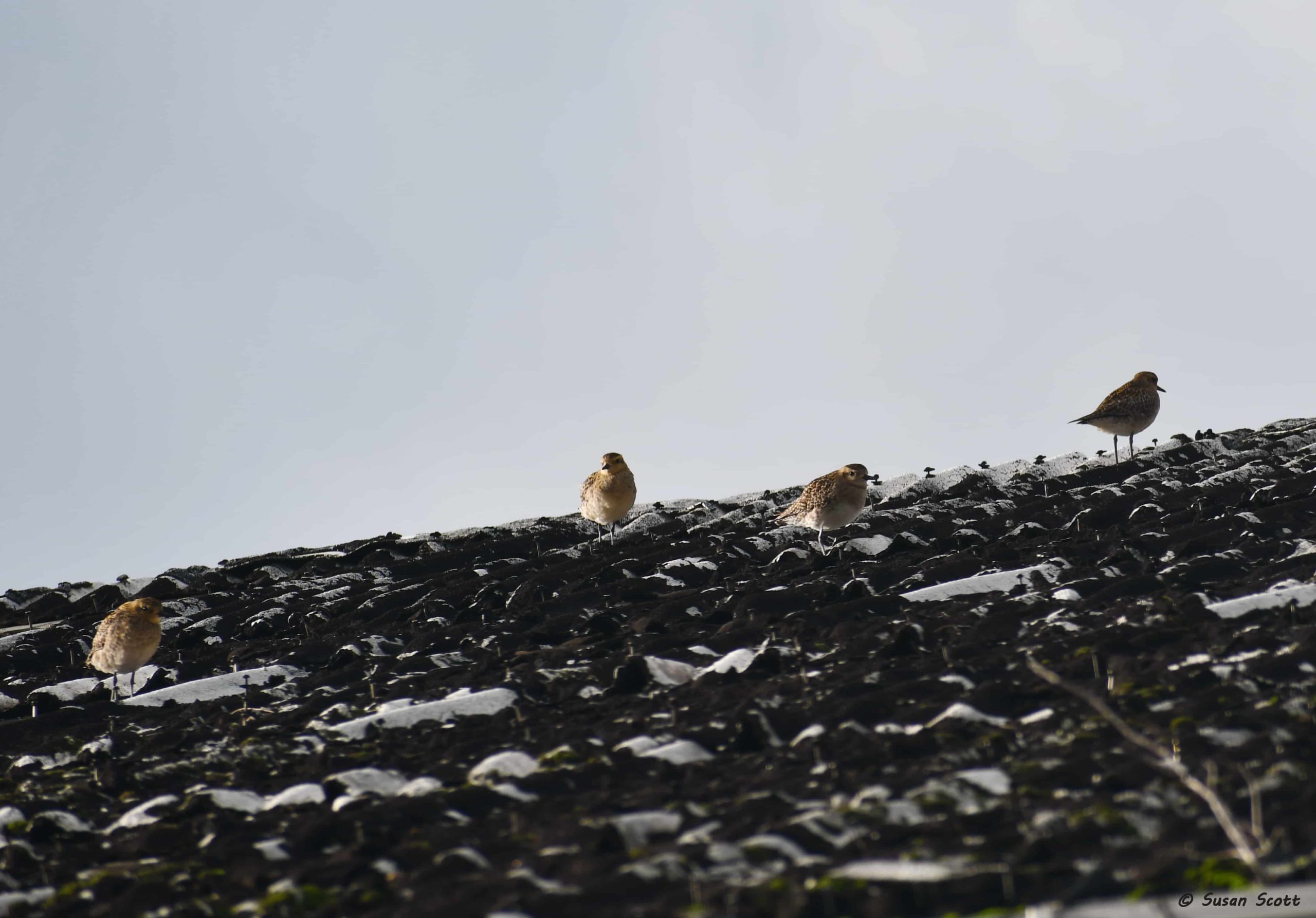 Bedtime for birdies. A dusk gathering of Kolea on a rooftop at Midway Atoll. ©Susan Scott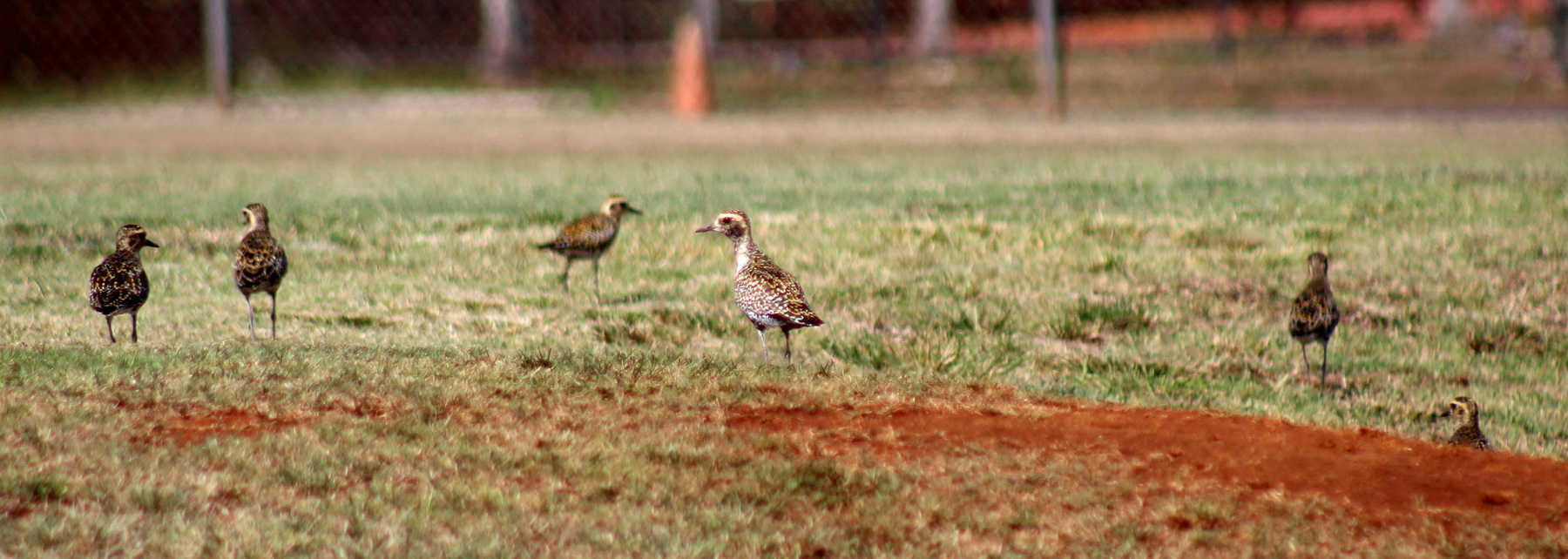
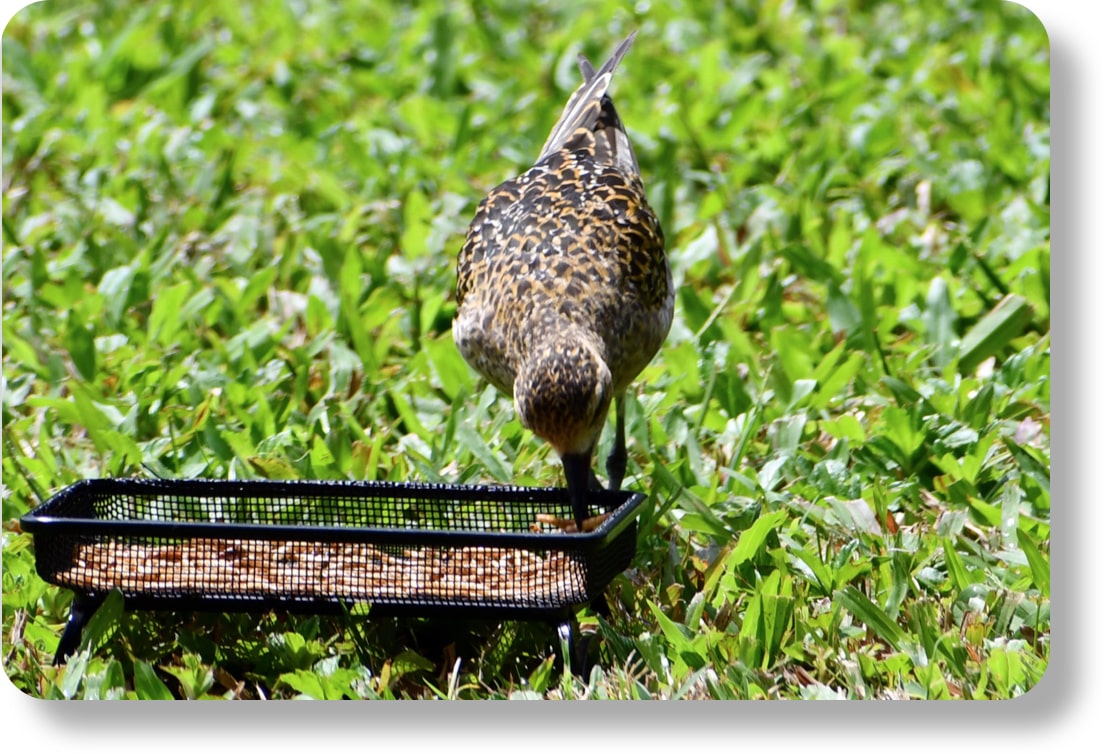 Little Count: A Kaneohe resident grows mealworms for his backyard Kolea. ©Susan Scott